About_Sushi_Types

Sushi is a cornerstone of Japanese cuisine, known for its balance of simplicity, precision, and fresh ingredients. From delicate nigiri to creative maki rolls, sushi combines expertly prepared rice with seafood, vegetables, and bold flavors to create a dining experience that is both refined and unforgettable. Every piece is crafted to deliver a perfect harmony of taste and texture. Whether enjoyed as a quick bite or a full culinary experience, sushi represents craftsmanship, freshness, and tradition in every piece.

Some of the most well-known types of sushi include:

• Norimaki

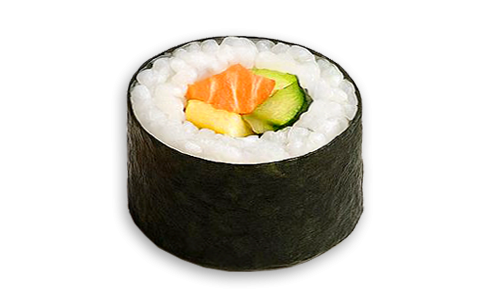
Rolled sushi wrapped in seaweed, usually cut into bite-sized pieces. Norimaki typically combines sushi rice, fillings, and nori rolled together using a bamboo mat. It’s portable, versatile, scalable and it's the operational backbone of the sushi industry.

Norimaki
Gunkan

• Gunkan

Oval-shaped rice wrapped with seaweed and topped with soft ingredients like roe or sea urchin. Also known as “battleship sushi,” is a style of sushi where a strip of nori seaweed is wrapped around an oval of sushi rice to create a small container for soft or loose toppings. Gunkan is compact, visually premium, and engineered for high-value toppings.

• Ebi Nigiri

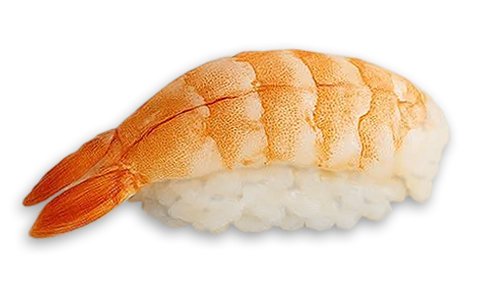
Shrimp rolled with rice and seaweed. The flavor is mild, slightly sweet, and less “ocean-heavy” than stronger fish like mackerel or sea urchin. Safe choice for people entering the sushi ecosystem without wanting a full raw-fish onboarding experience.

sushi_type_img_Ebi
Ika

• Hamachi Nigiri

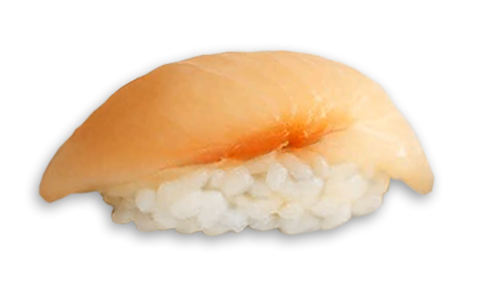
Slices of yellowtail served over sushi rice. Hamachi has a clean, slightly sweet taste with more richness than tuna but less intensity than mackerel.

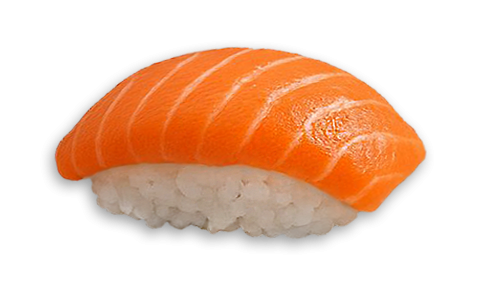
• Sake Nigiri

It is a classic type of sushi made with fresh salmon (usually served raw) placed over hand-pressed sushi rice. It’s one of the most popular sushi choices worldwide because of its buttery, smooth texture, the mild and slightly sweet flavor with a rich, melt-in-the-mouth taste. It's the premium “best-seller” asset in many sushi menus.

Sake
Ika

• Ika Nigiri

Thin slices of squid served over sushi rice. Ika has a firmer, slightly chewy texture compared to fish like salmon or tuna. When prepared properly, it’s delicate and clean rather than rubbery.

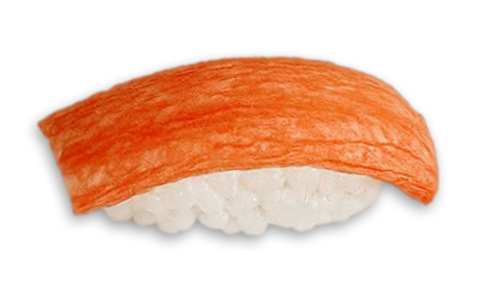
• Kani Nigiri

Crab served over sushi rice. Smooth flavor and broad appeal, it's a strong market penetration and that's why kani is basically the mainstream success story of sushi.

Kani
Hotate

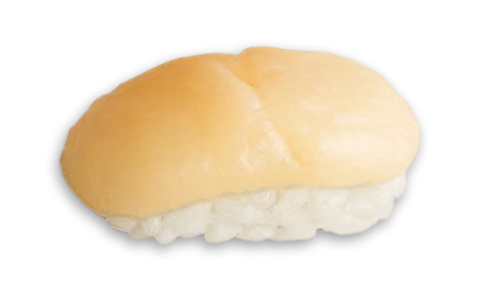
• Hotate Nigiri

Raw scallop placed over sushi rice. Hotate is usually tender, creamy, and slightly sweet rather than strongly “fishy.” High-end sushi restaurants often serve it fresh and minimally seasoned because the natural flavor does most of the work already.

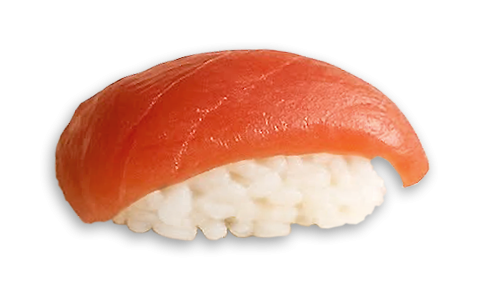
• Maguro Nigiri

Tuna served over sushi rice. Maguro is prized for its balance of flavor, texture, and versatility. For many sushi restaurants, the quality of the tuna is the unofficial performance review.

Maguro
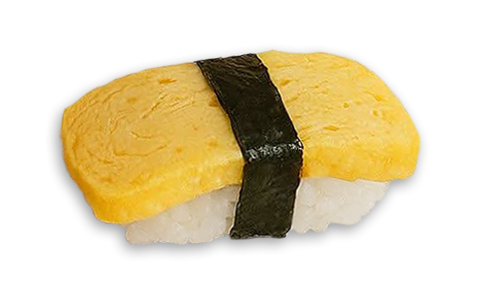
Tamago

• Tamago Nigiri

It is made with a slice of Japanese omelet placed over hand-pressed sushi rice and usually secured with a strip of nori seaweed. The omelet is slightly sweet, soft, and fluffy, made by layering cooked egg into a delicate rectangular block. In traditional sushi culture, tamago is often considered a test of a chef’s skill because making a perfect Japanese omelet requires precision and consistency.

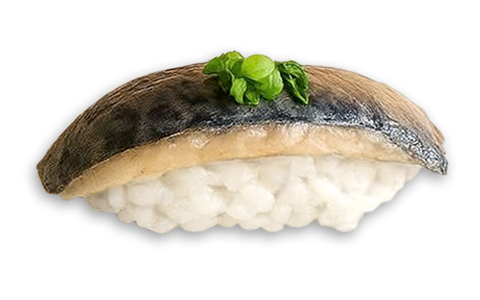
• Saba Nigiri

Mackerel served over sushi rice. Saba has a bolder taste than salmon or tuna and is often slightly salty, tangy, and deeply savory. It’s a favorite among experienced sushi fans because of its complexity and richness.

sushi_type_img_Saba
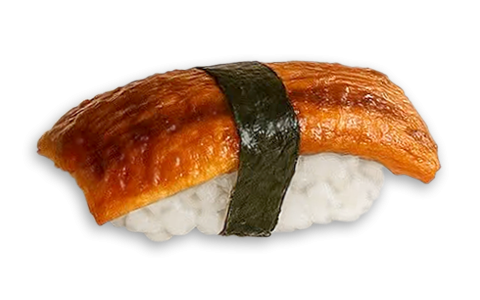
Unagi

• Unagi Nigiri

It is sushi made with grilled freshwater eel placed over hand-pressed sushi rice. It’s usually glazed with a sweet savory sauce which gives it a rich and smoky flavor. Unlike many sushi types, unagi is almost always served cooked, making it popular even among people who avoid raw fish.

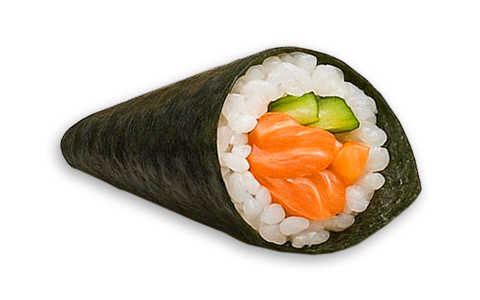
• Temaki

Cone-shaped hand rolls filled with rice, fish, and vegetables. Common fillings include salmon, tuna, shrimp tempura, crab, avocado, cucumber & spicy sauces. Unlike traditional sliced rolls, temaki is eaten by hand immediately after preparation so the nori stays crisp. It’s casual, interactive, and visually striking — essentially the “street-smart premium” format of sushi. Less formal than fine dining nigiri, but still delivering strong performance metrics on flavor and presentation.

sushi_type_img_Temaki
sushi_type_img_Uramaki

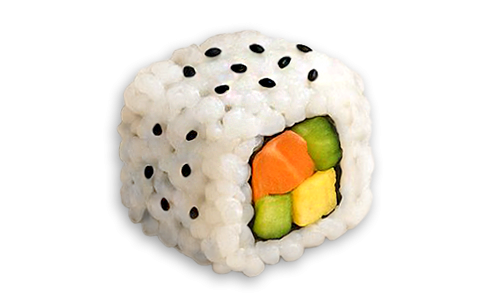
• Uramaki

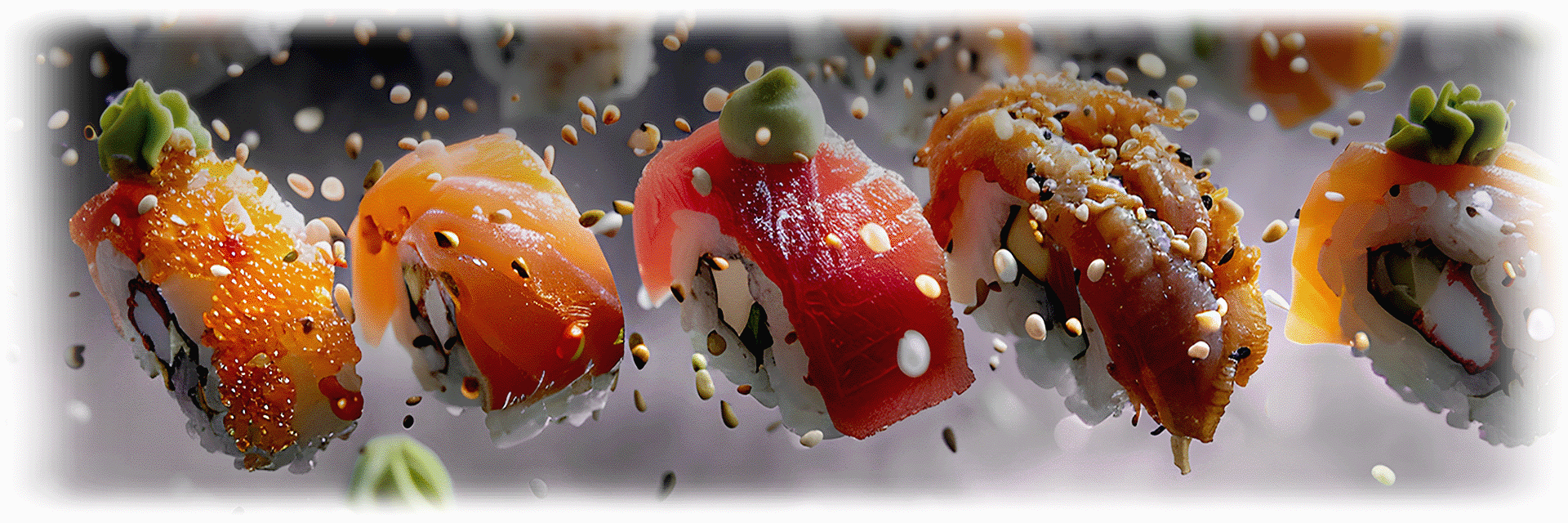
It is an inside-out sushi roll where the rice is on the outside and the nori seaweed is wrapped around the fillings inside. This style became especially popular outside Japan. It often includes ingredients like crab, salmon, tuna, avocado, cucumber, cream cheese, tempura shrimp, and various sauces or toppings. The outer rice layer is sometimes coated with sesame seeds, fish roe, or crispy flakes for extra texture and presentation. It’s visually bold, customizable, and highly marketable, essentially the global expansion strategy of sushi.

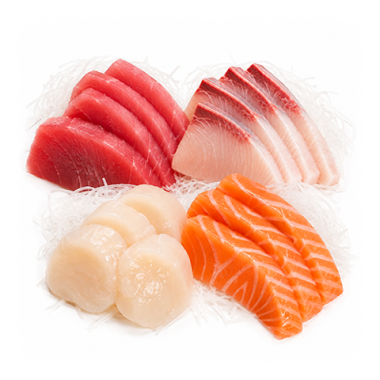
sashimi
(technically not sushi but always part of the conversation)

Thin slices of raw fish served without rice. Popular ingredients used in sashimi include tuna (maguro/toro), salmon (sake), yellowtail (hamachi), scallops (hotate), squid (ika), octopus (tako), shrimp (ebi/amaebi), mackerel (saba), sea bream (tai) & eel (unagi). Sashimi is typically served without rice and focuses entirely on the freshness, texture and quality of the ingredient itself. No heavy sauces, just premium product strategy executed with confidence.

sashimi_types
We use cookies to improve your experience on our website. By browsing this website, you agree to our use of cookies.
Start typing to see products you are looking for.