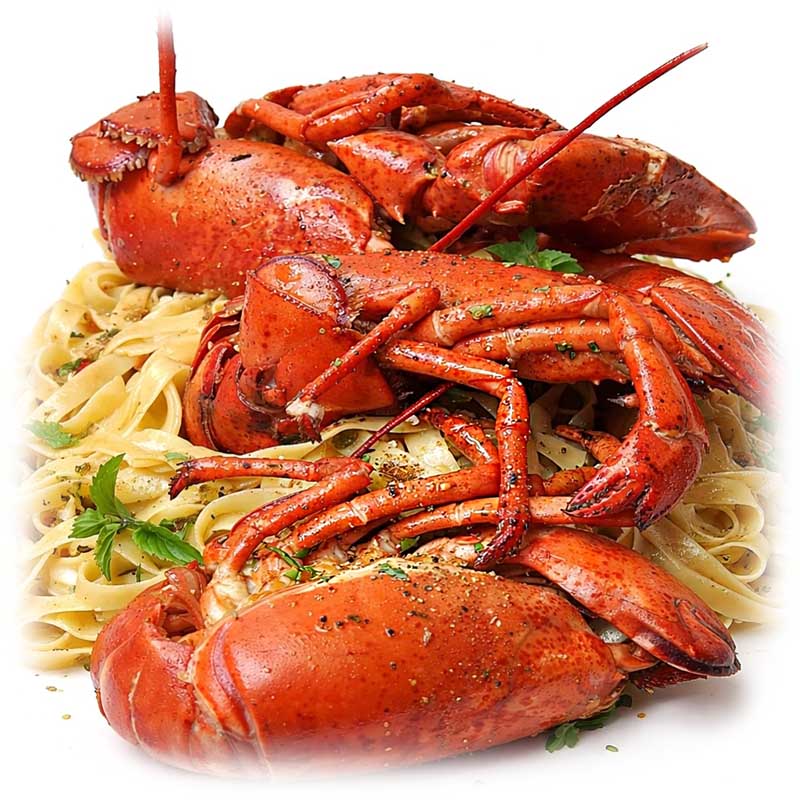
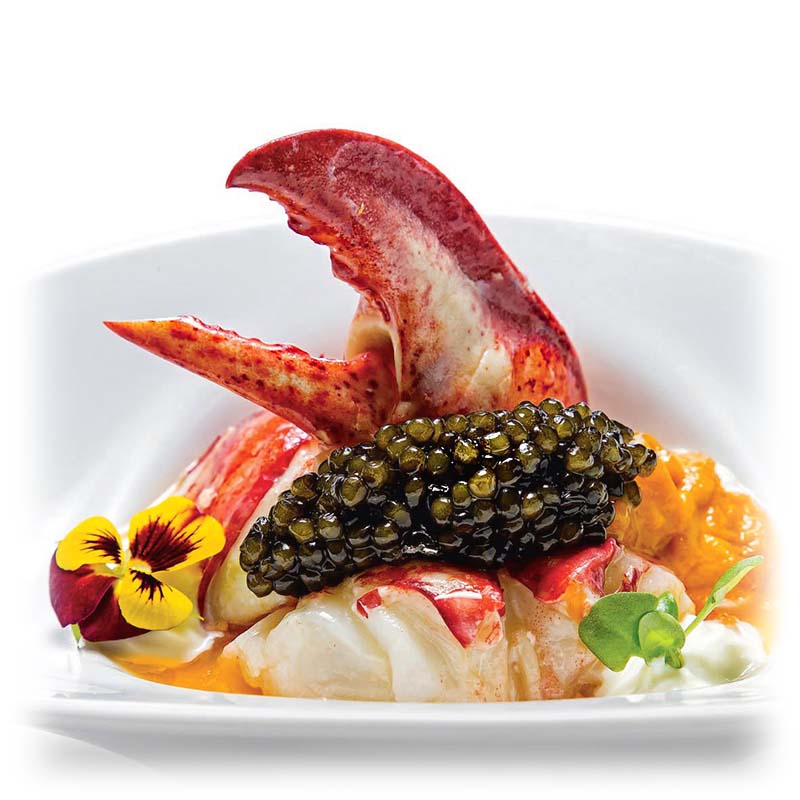
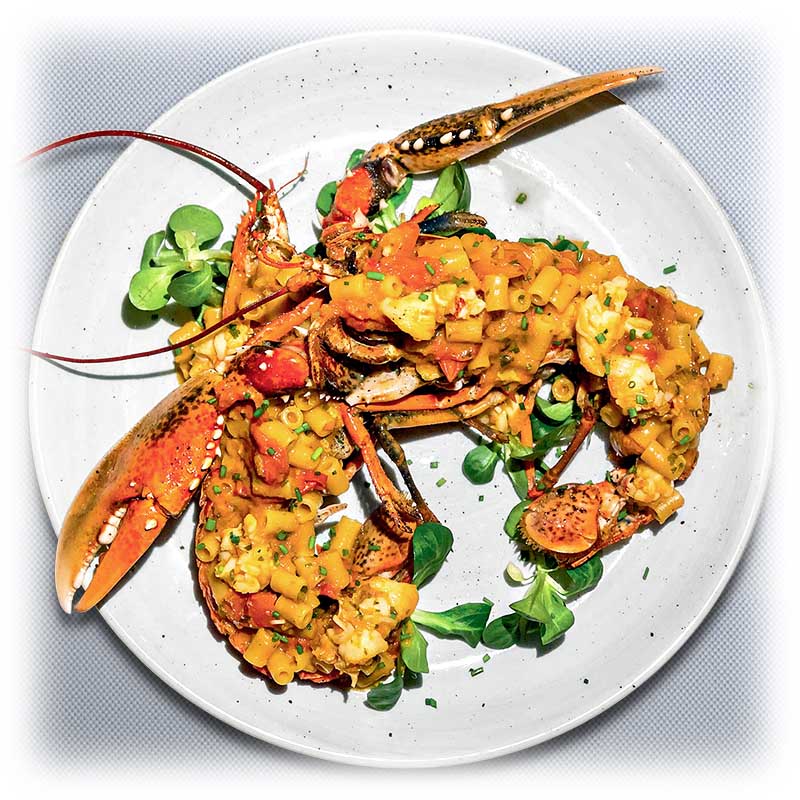
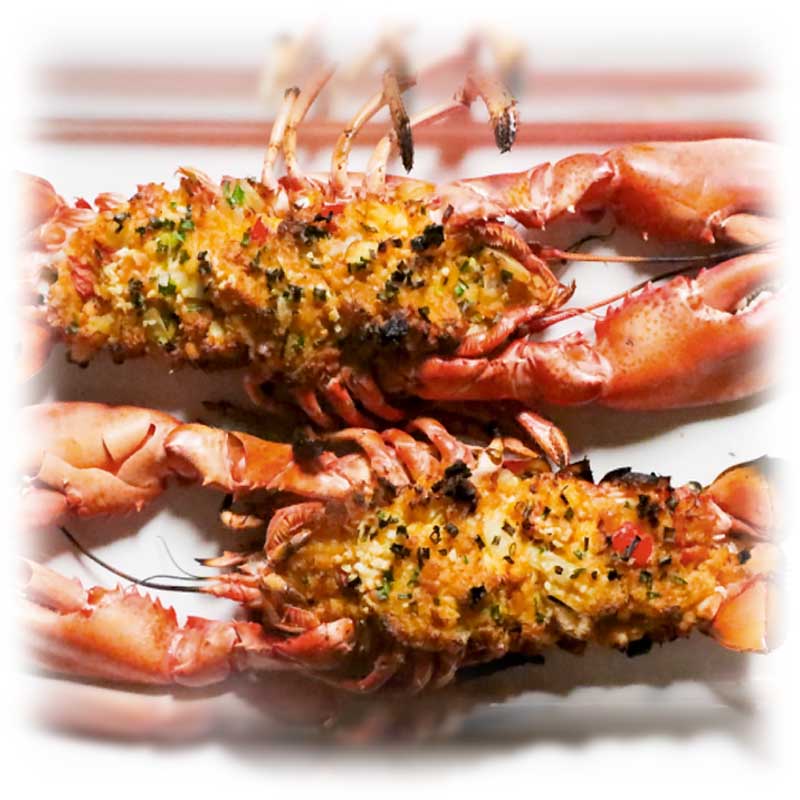
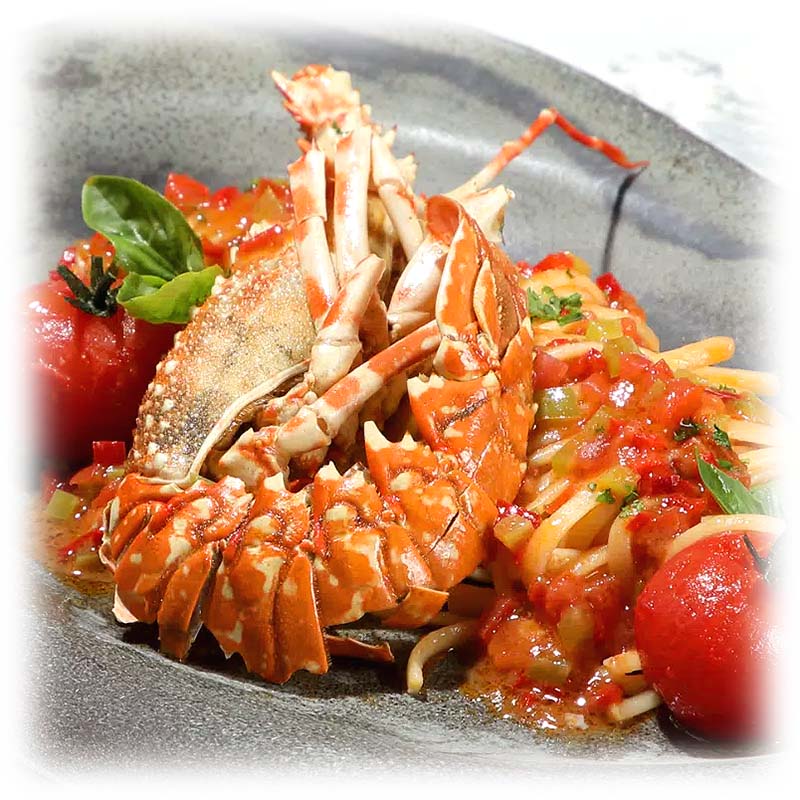
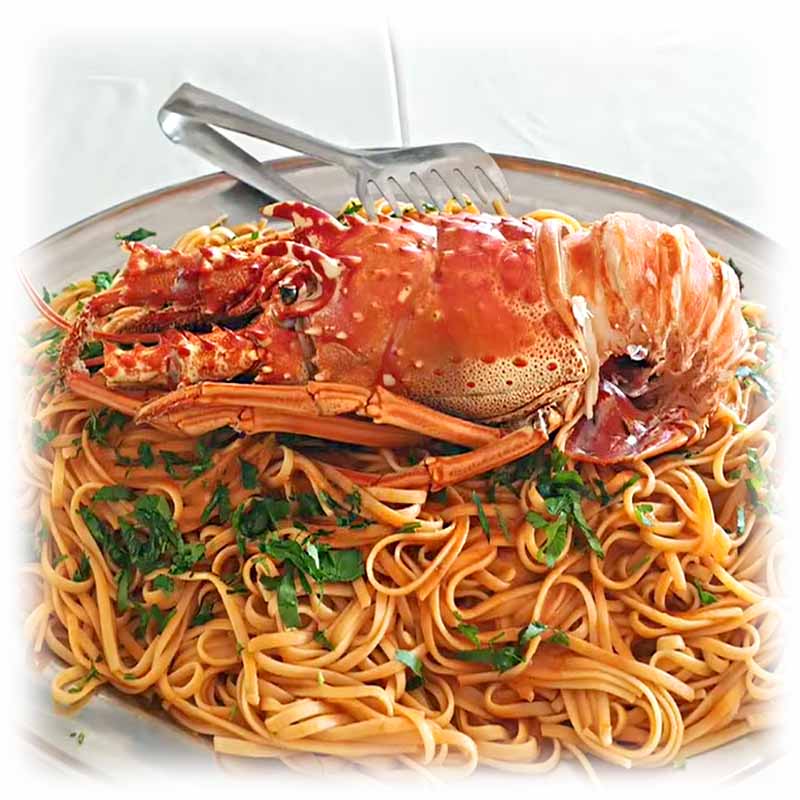
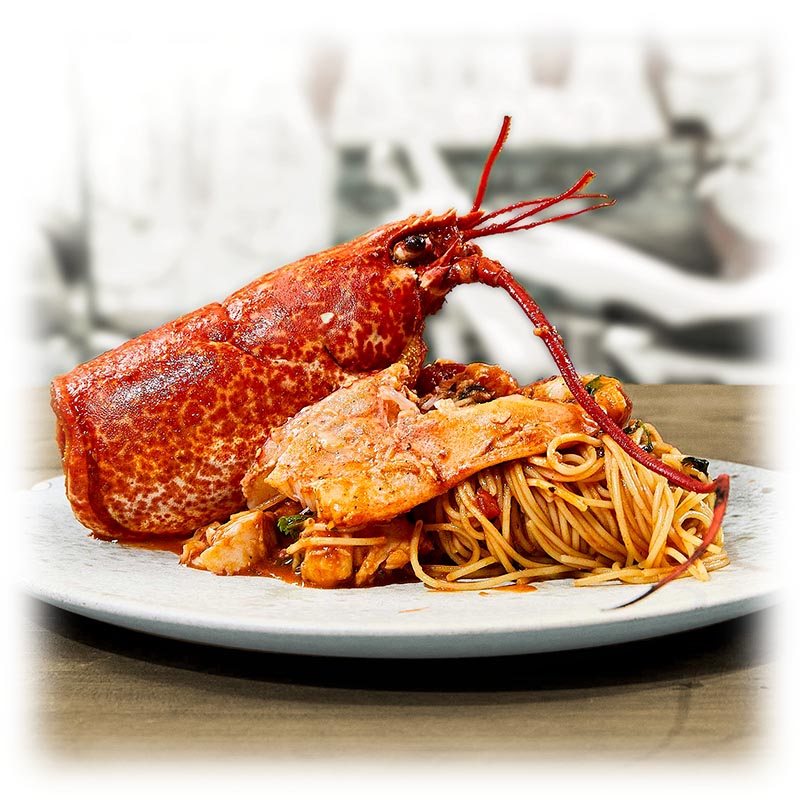
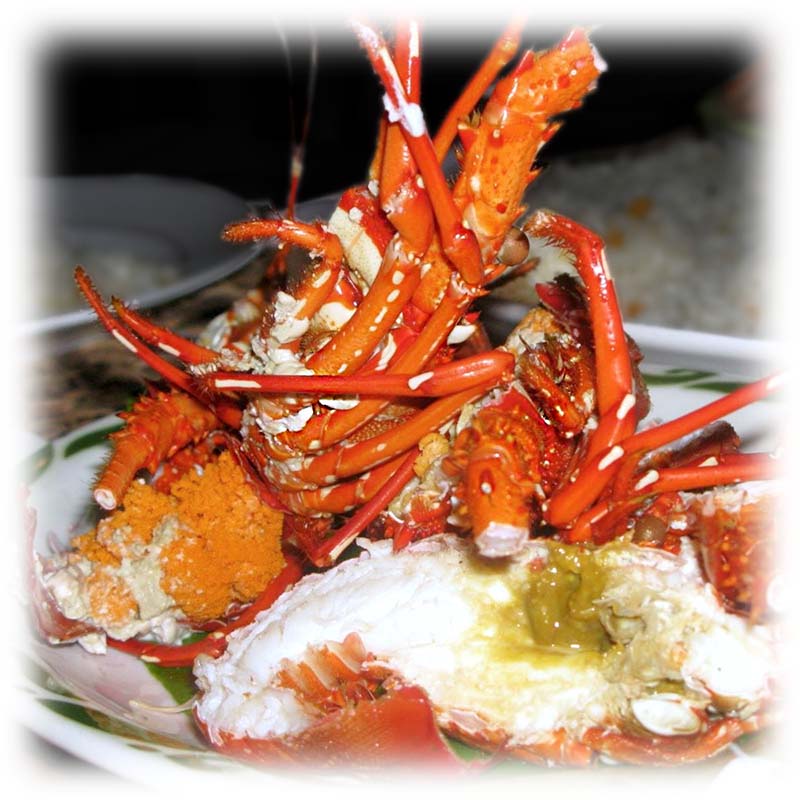
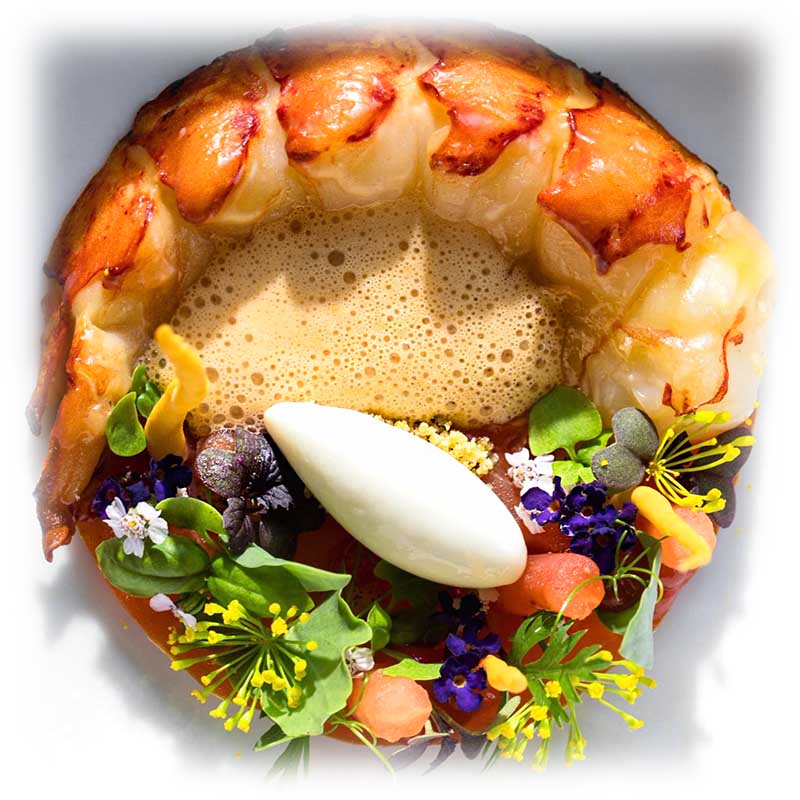
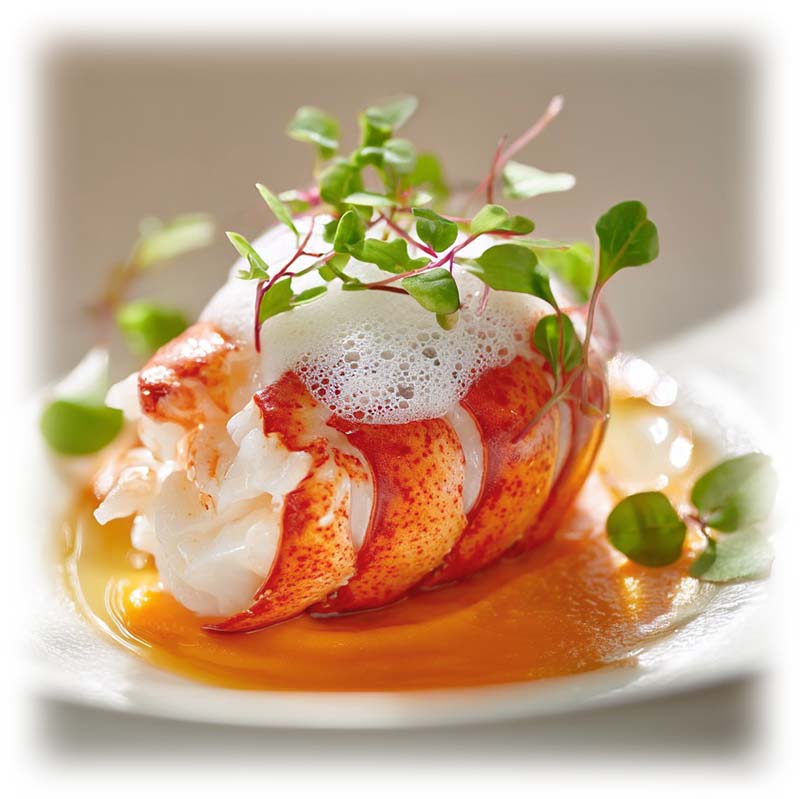
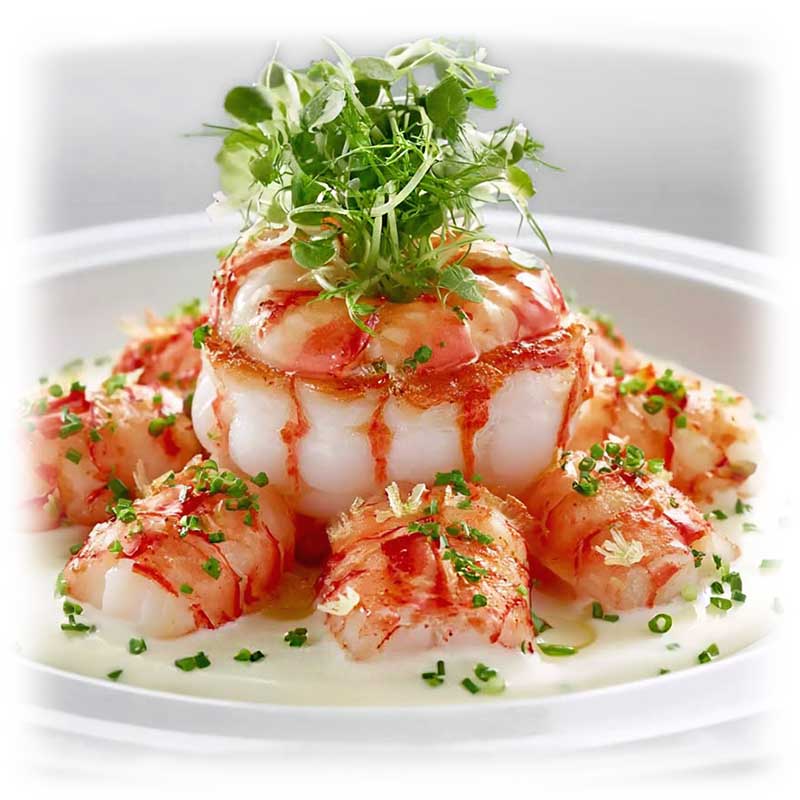
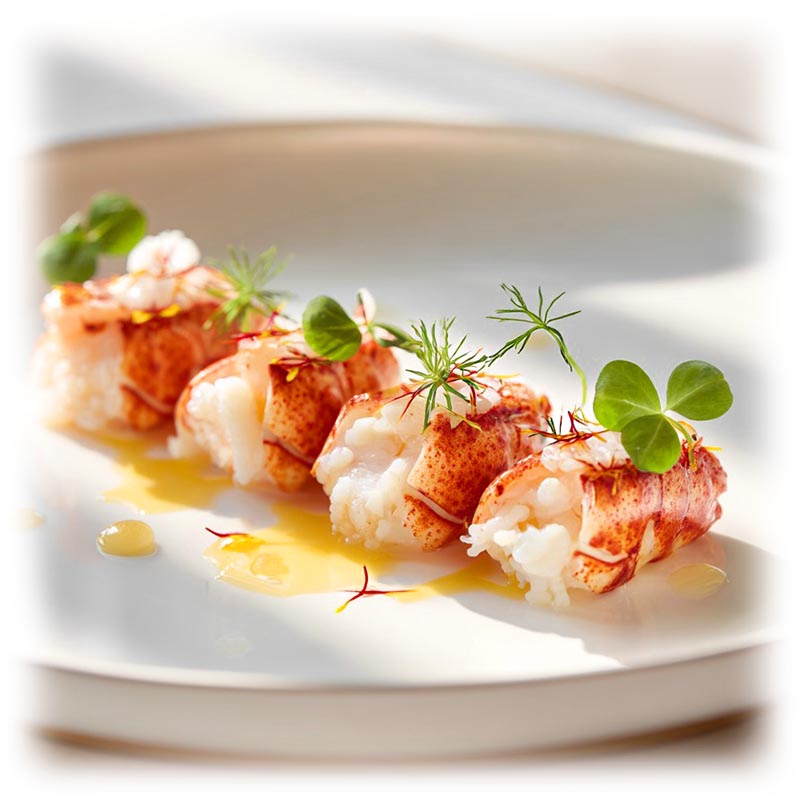
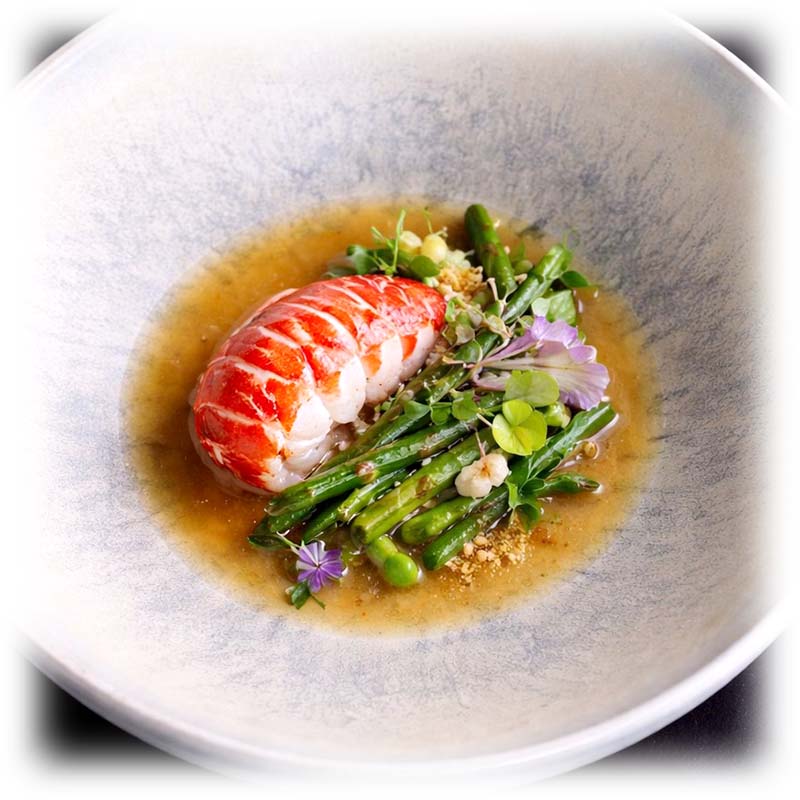
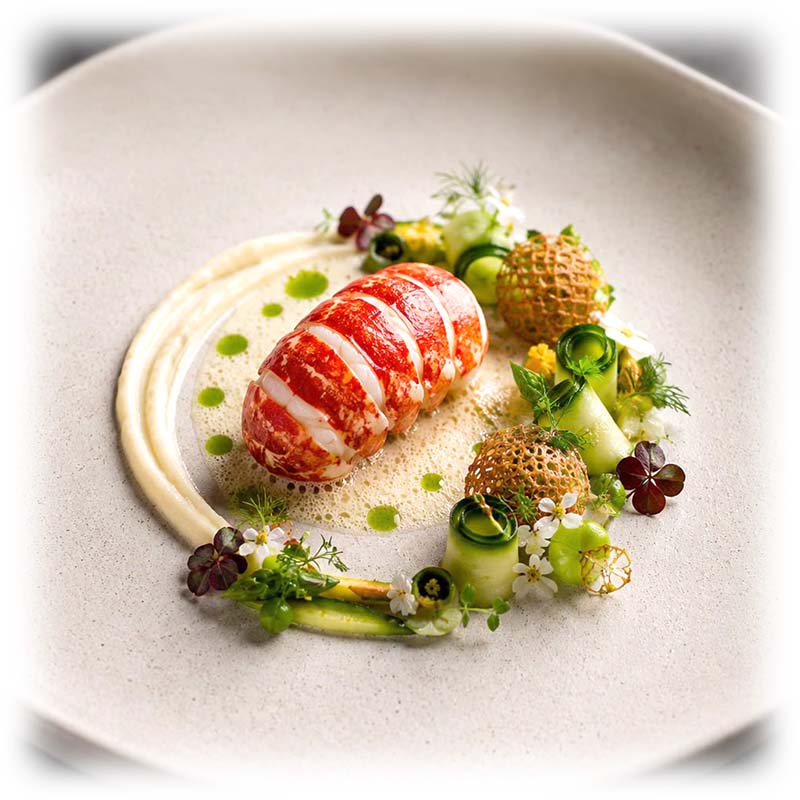
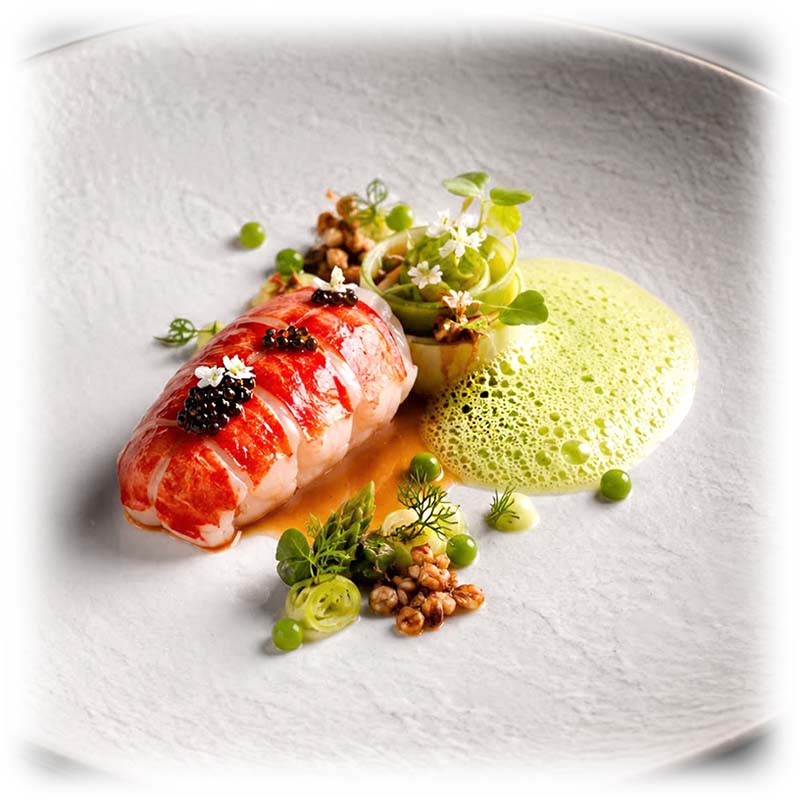
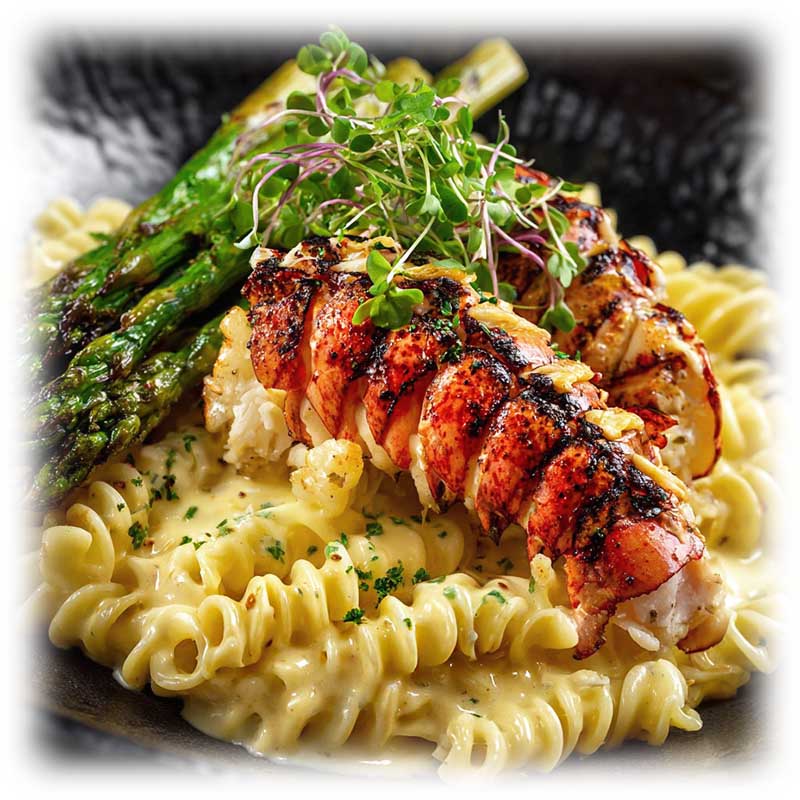
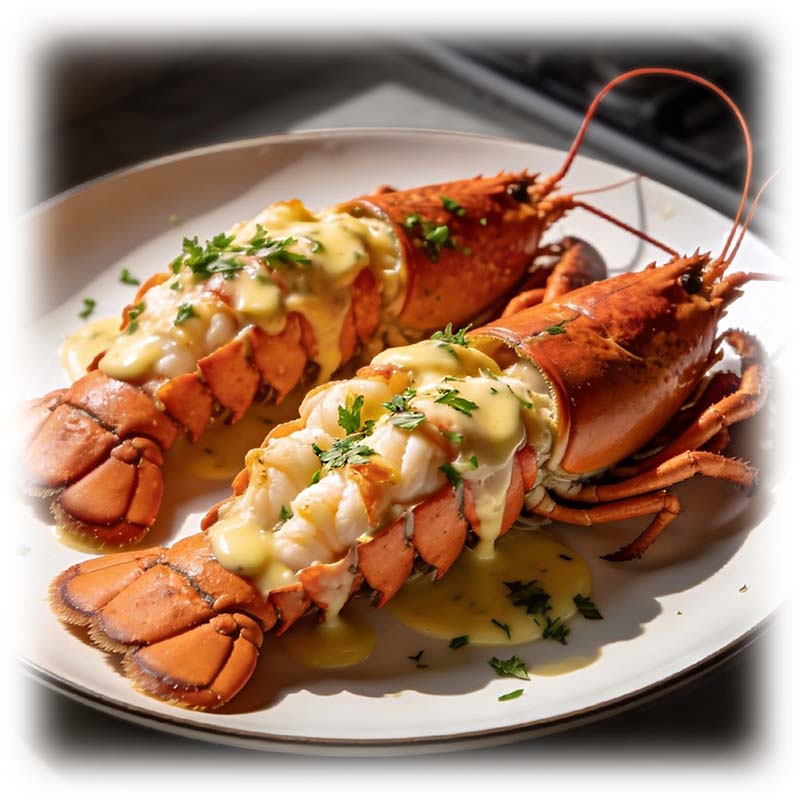
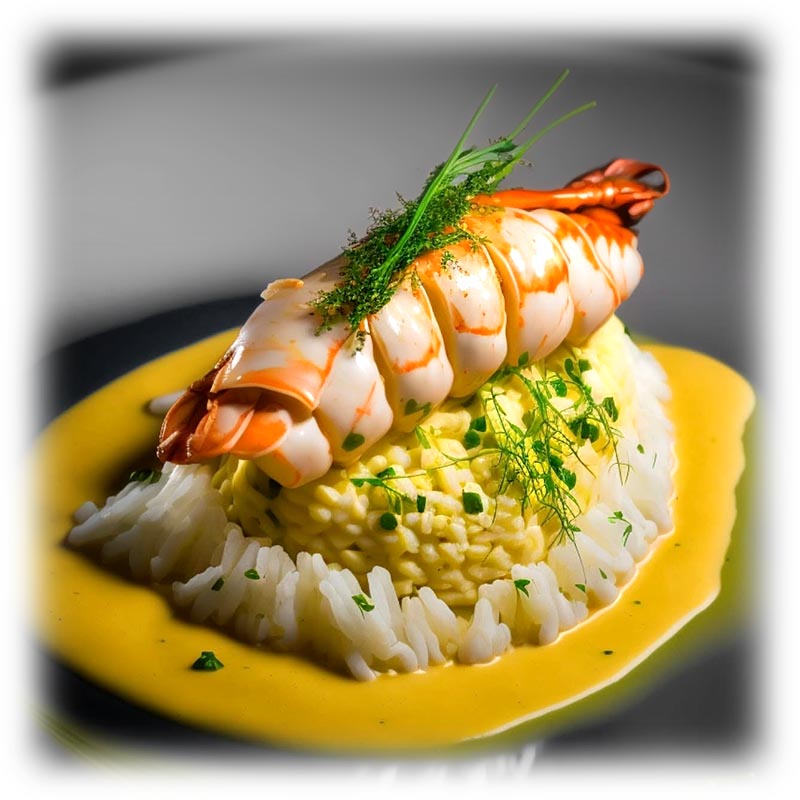
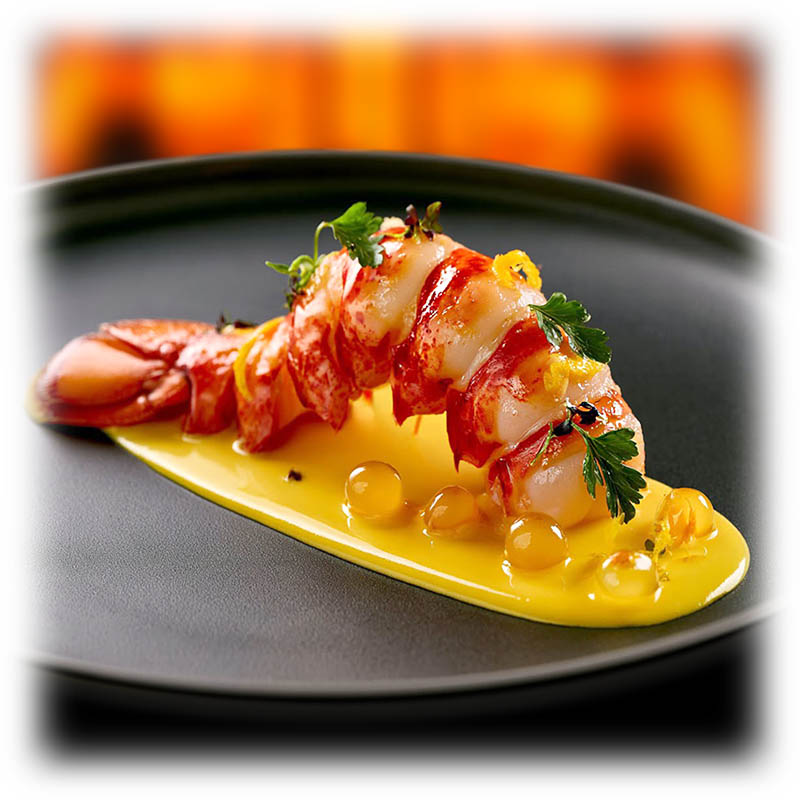
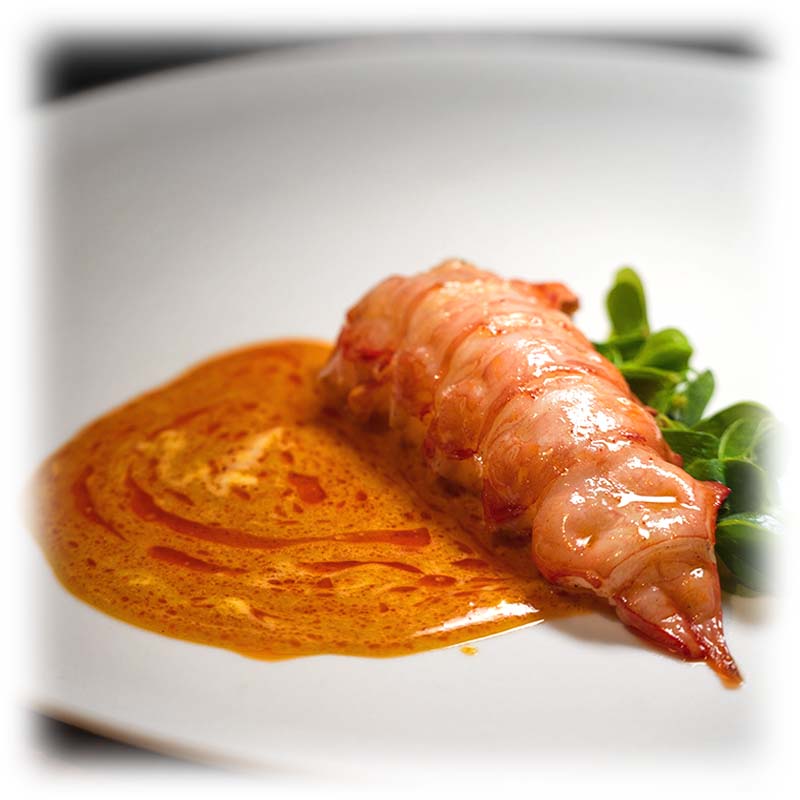
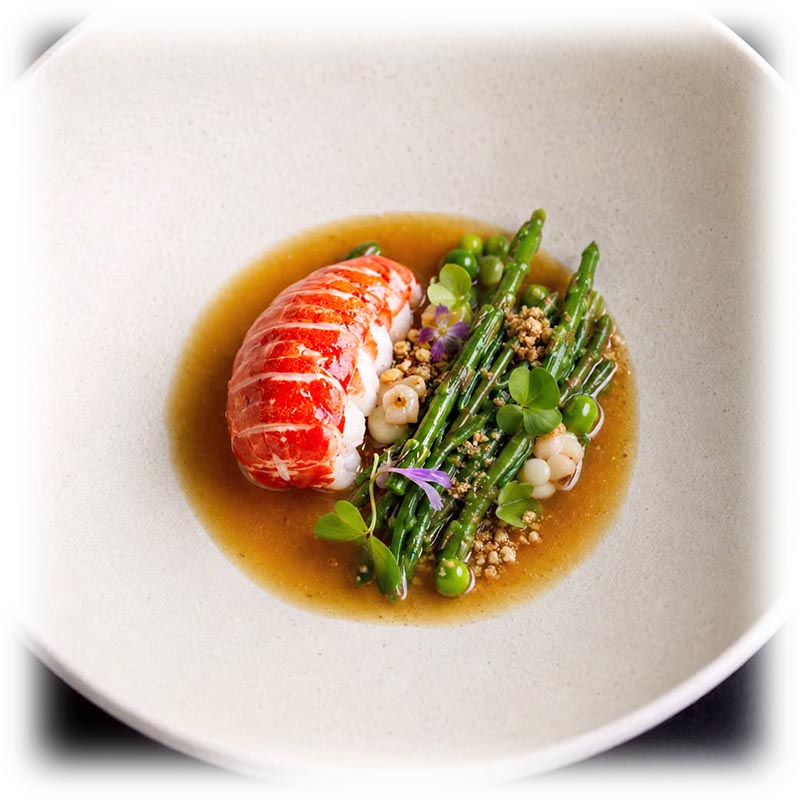
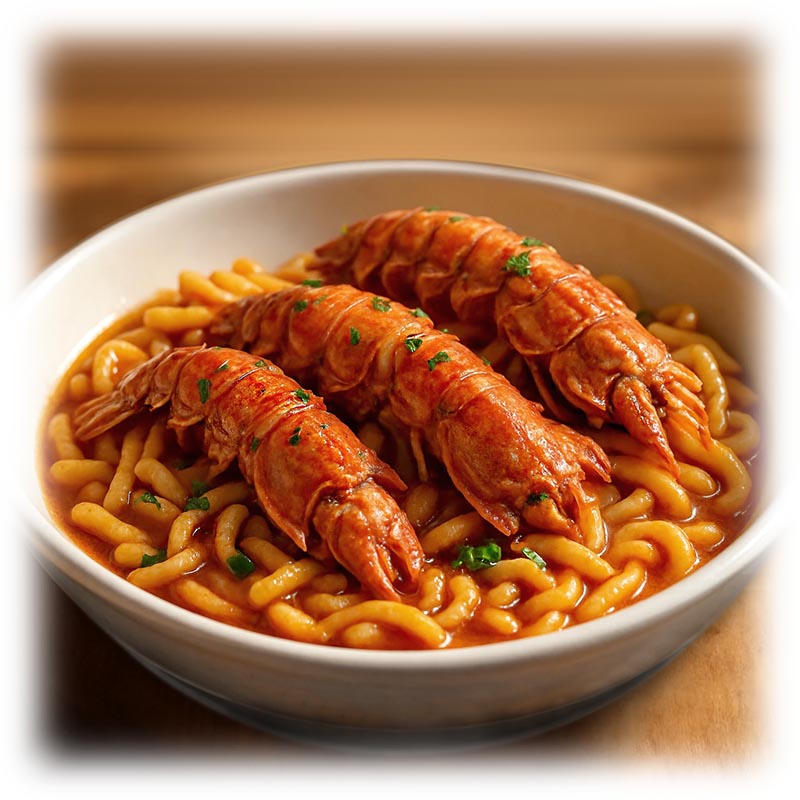
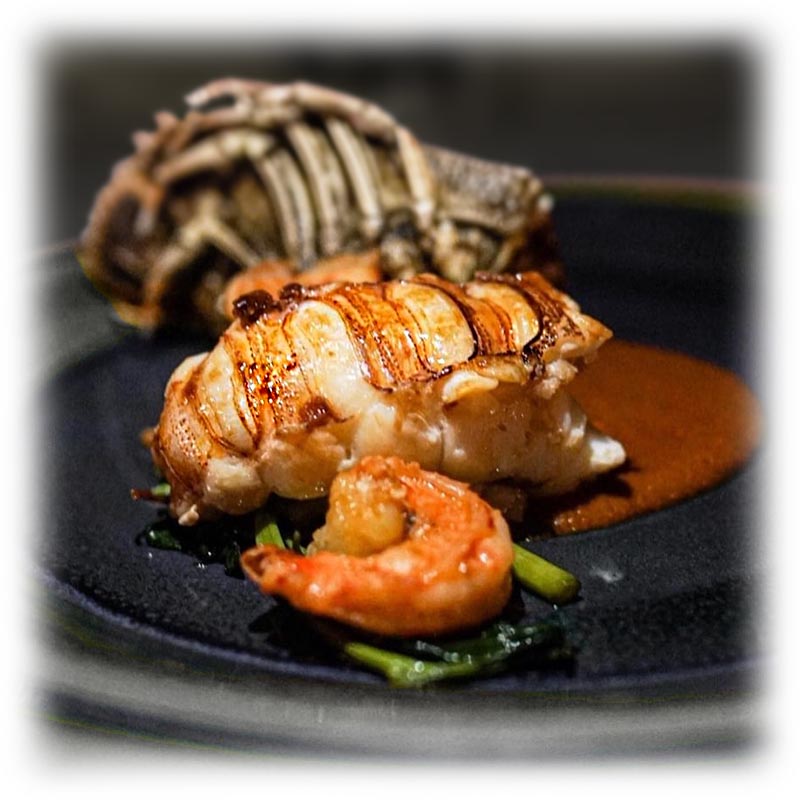
Lobsters are among the most fascinating and highly prized seafood species in the culinary world. From cold Atlantic waters to warm tropical reefs, different lobster varieties offer unique appearances, textures, flavors, shell structures, and cooking characteristics. Their flavor profiles vary based on habitat, water temperature, and diet, creating distinct culinary experiences for chefs and seafood enthusiasts alike. Understanding these varieties helps seafood lovers appreciate the diversity of ocean cuisine while exploring the textures, flavors, and traditions connected to one of the world’s most celebrated shellfish. 

This complete guide showcases 10 remarkable lobster species that seafood lovers and culinary enthusiasts should recognize:

• Slipper Flathead Lobster

(Thenus Orientalis)

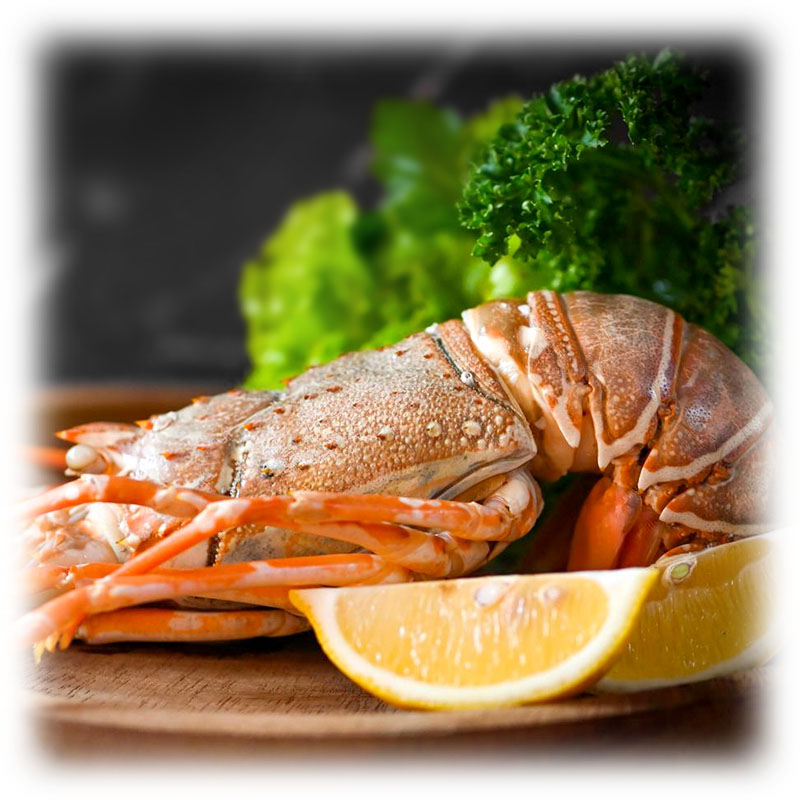
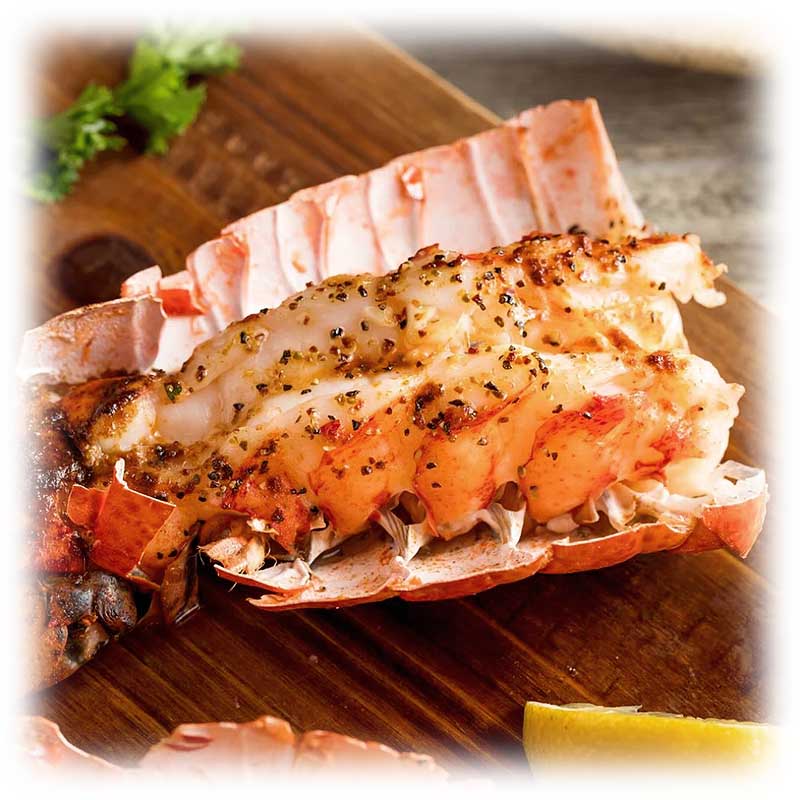
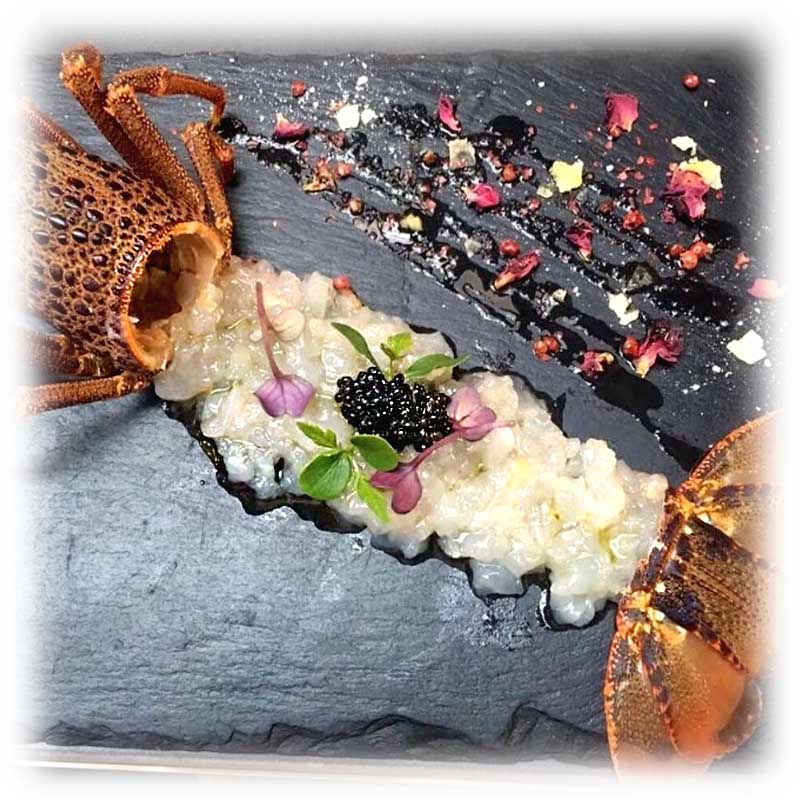
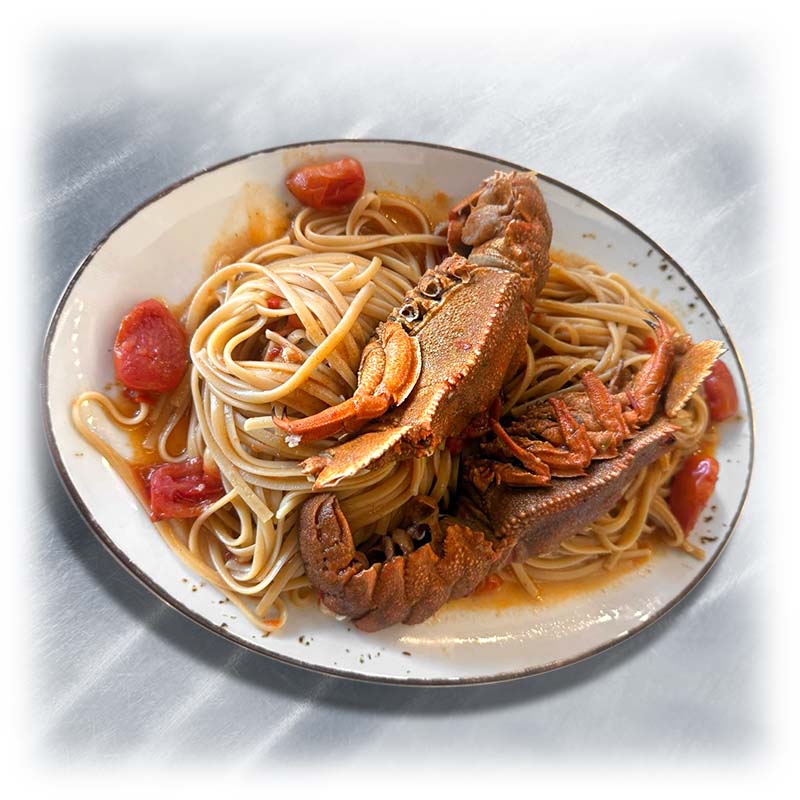
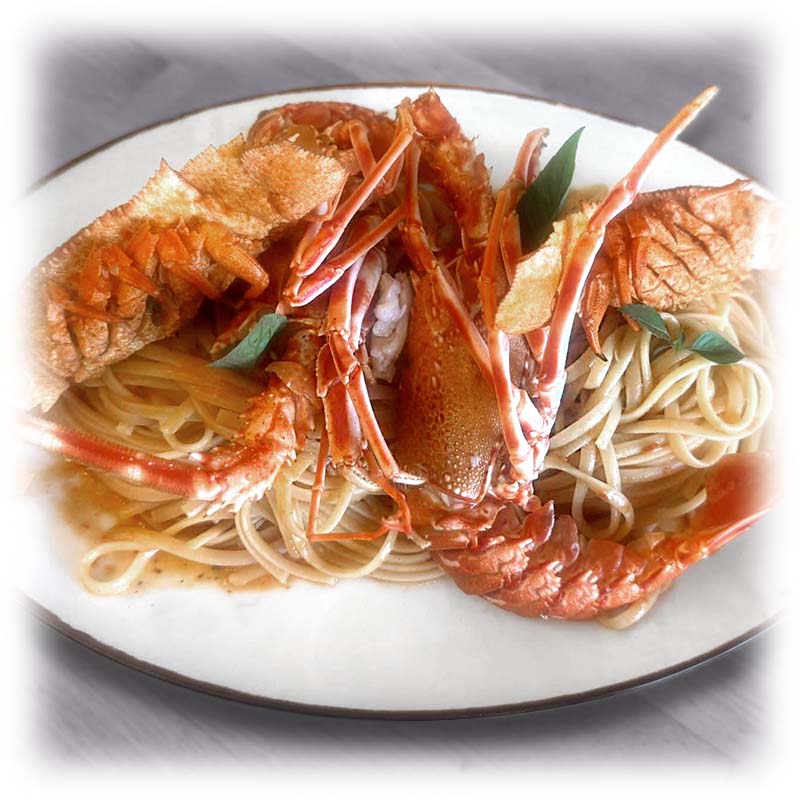
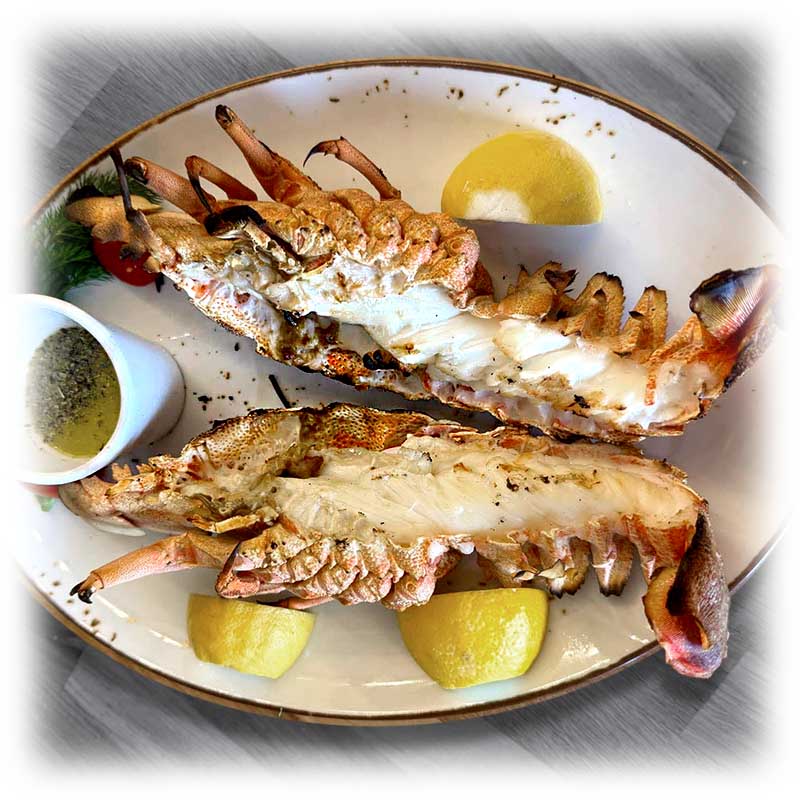
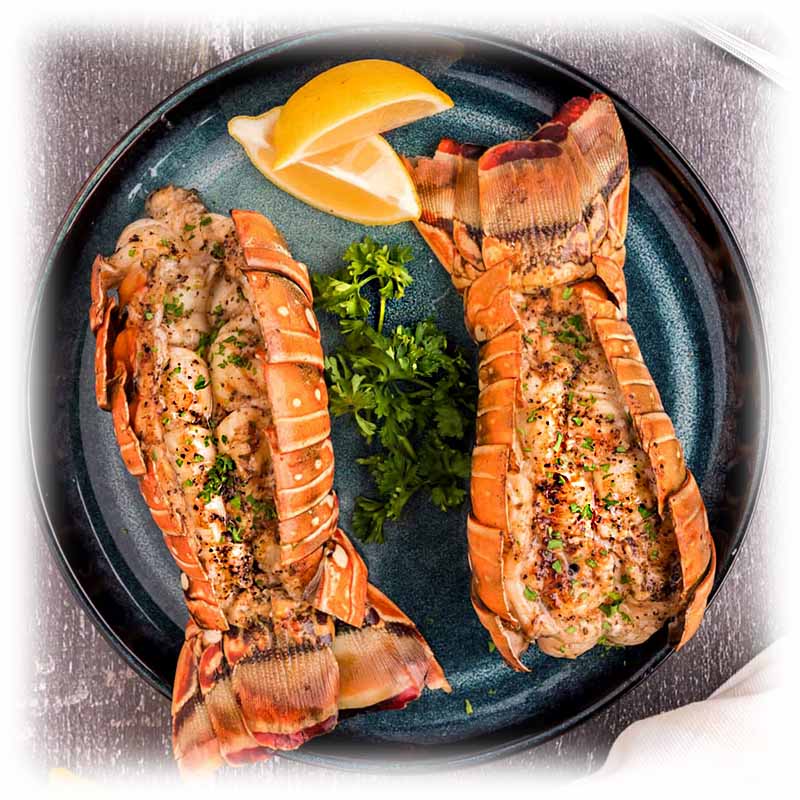
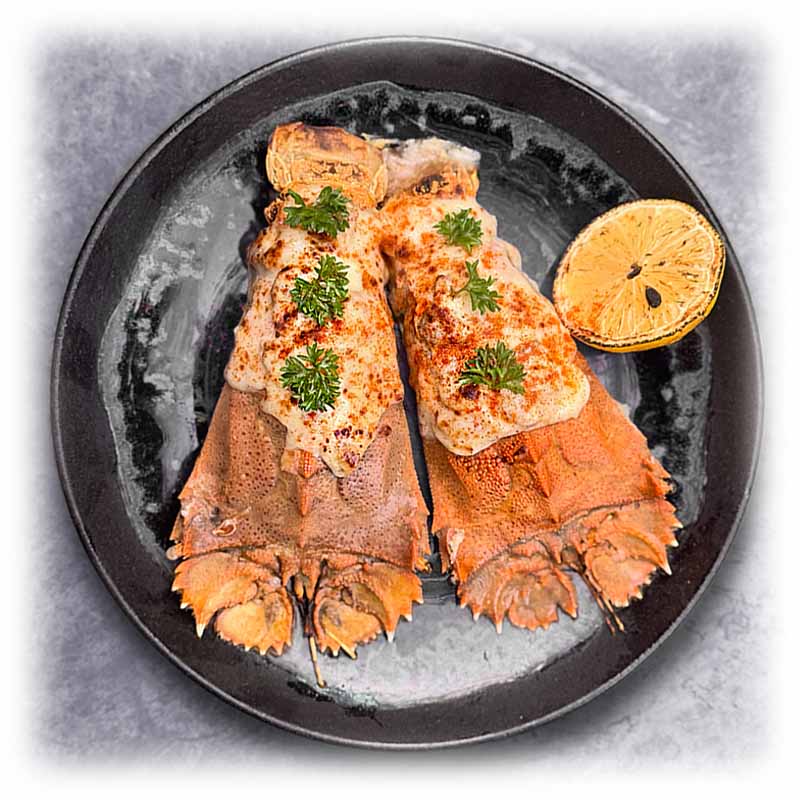
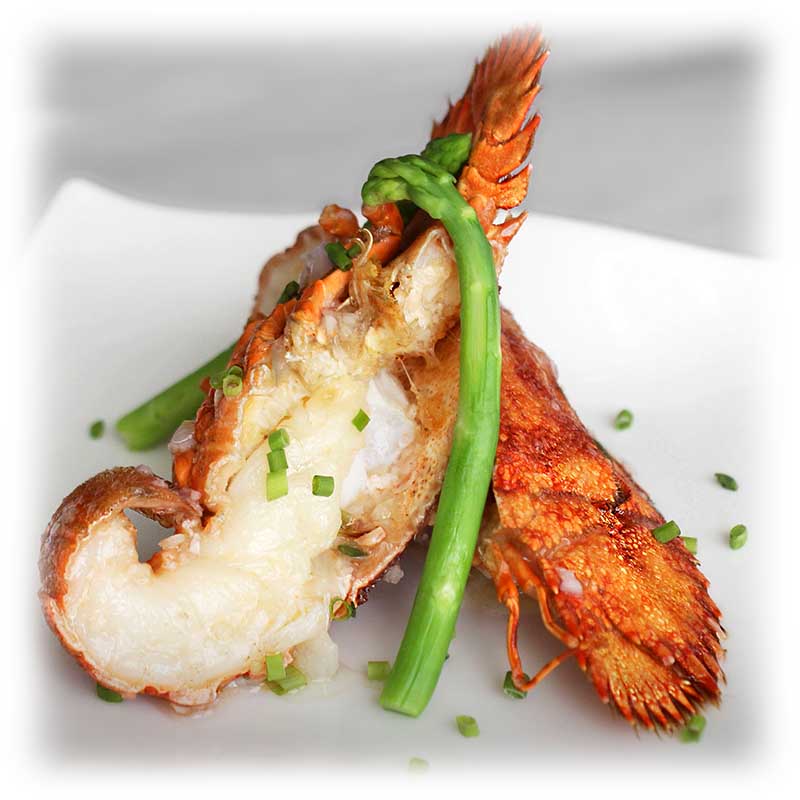
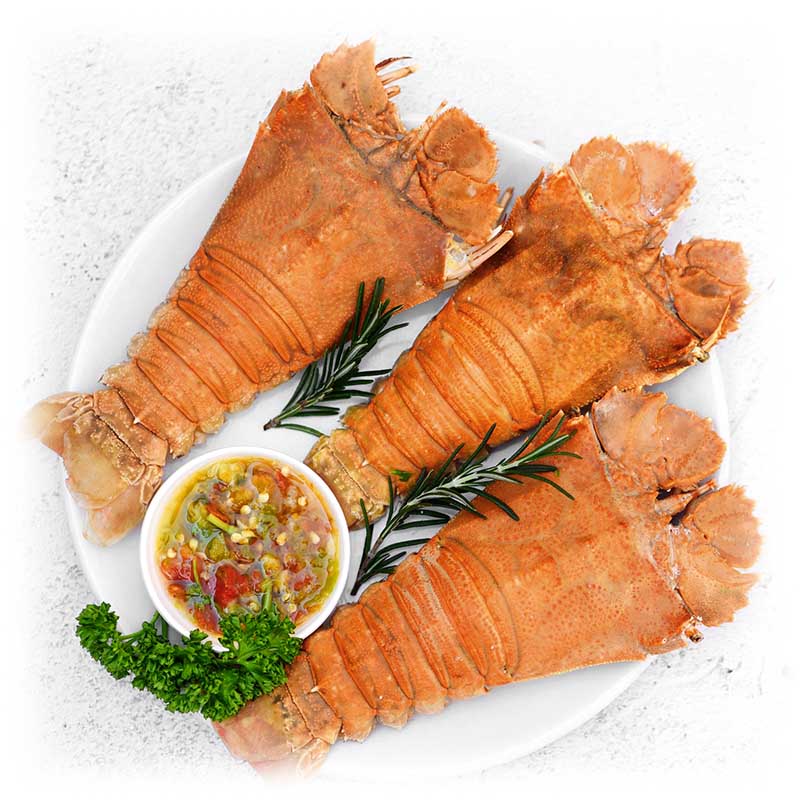
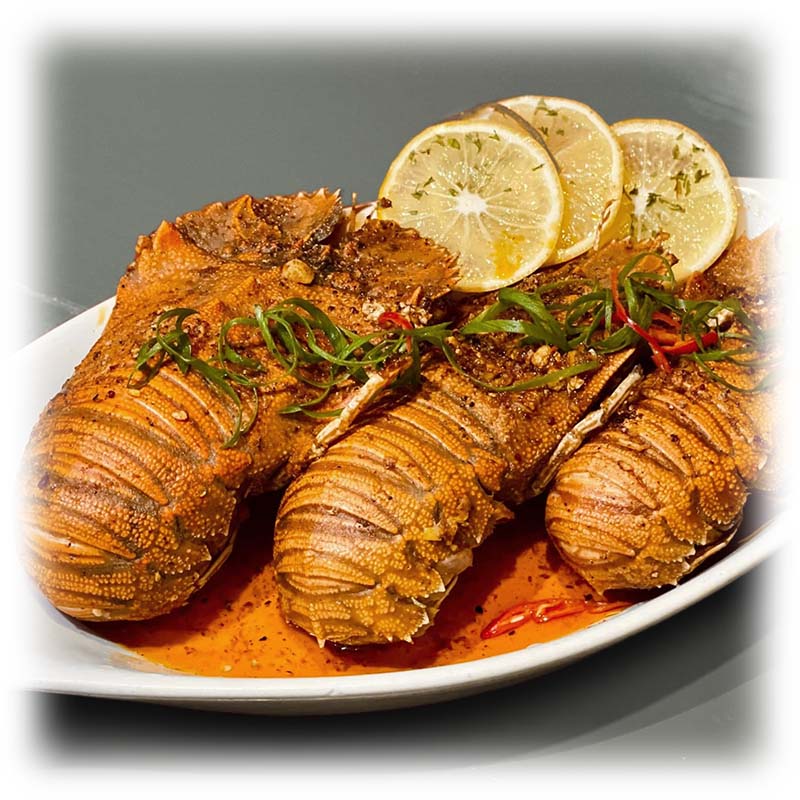
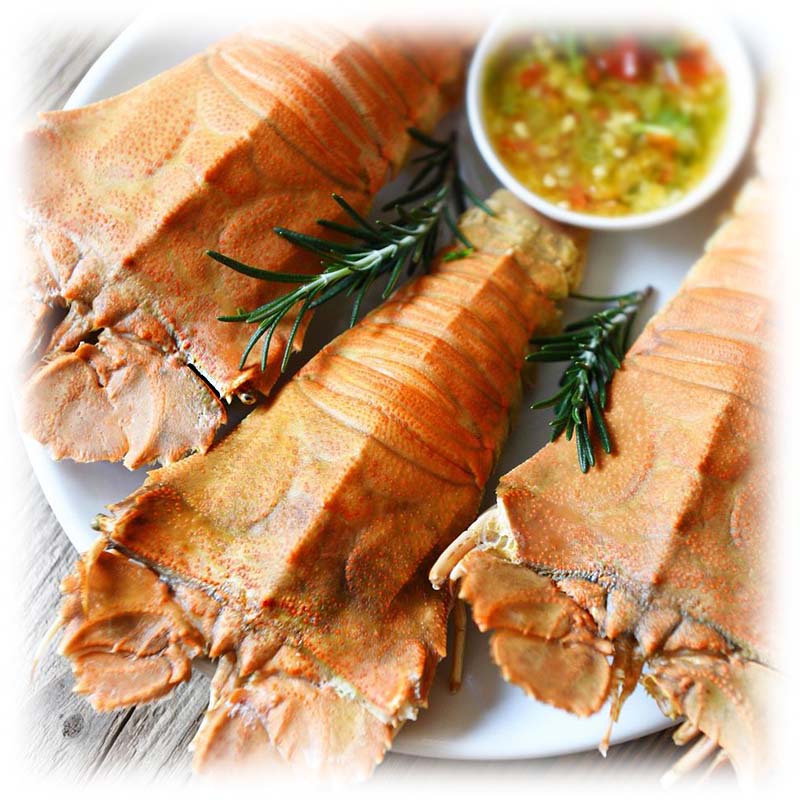
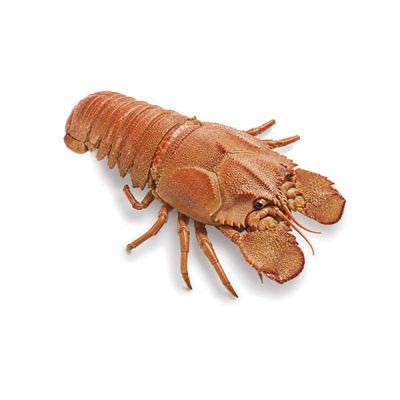
 The slipper flathead lobster has a very different appearance from typical spiny lobsters and it's instantly recognizable because of its flattened body and broad antennae that resemble plates rather than long spines. Commonly found in warm coastal waters, slipper lobster is highly valued in grilled seafood dishes and premium seafood platters. Unlike clawed lobsters, this species has a smooth shell and a sweet, delicate meat texture. The meat can be tender and flavorful, and different species are appreciated in regional seafood cuisines. Proper cooking is important because excessive heat can make lobster meat firm and dry.
Slipper_Flathead_Lobster_Img
Caribbean_Spiny_Lobster_Img

• Caribbean Spiny Lobster

(Panulirus Argus)

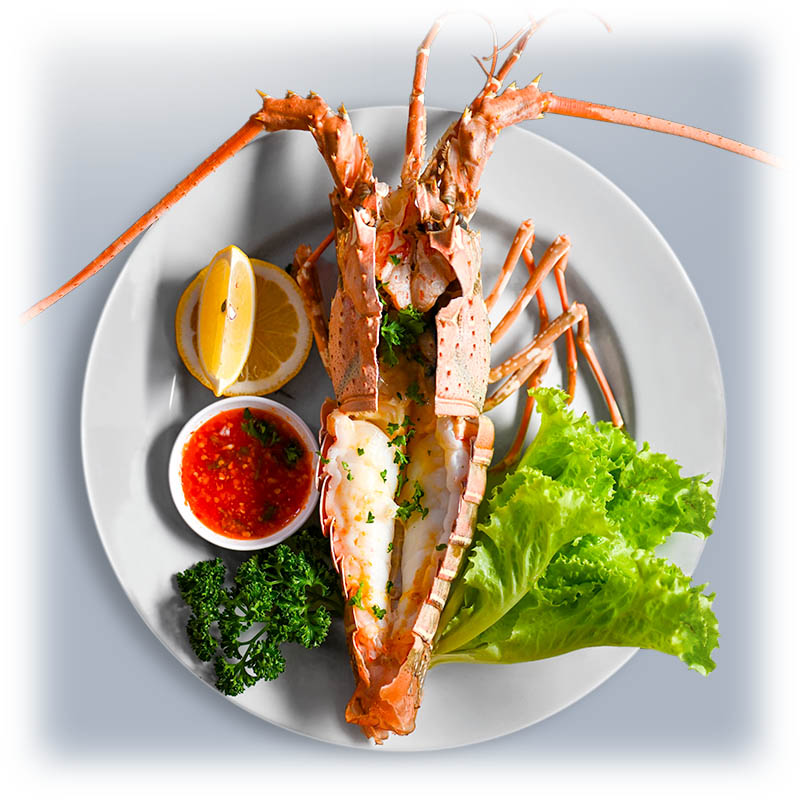
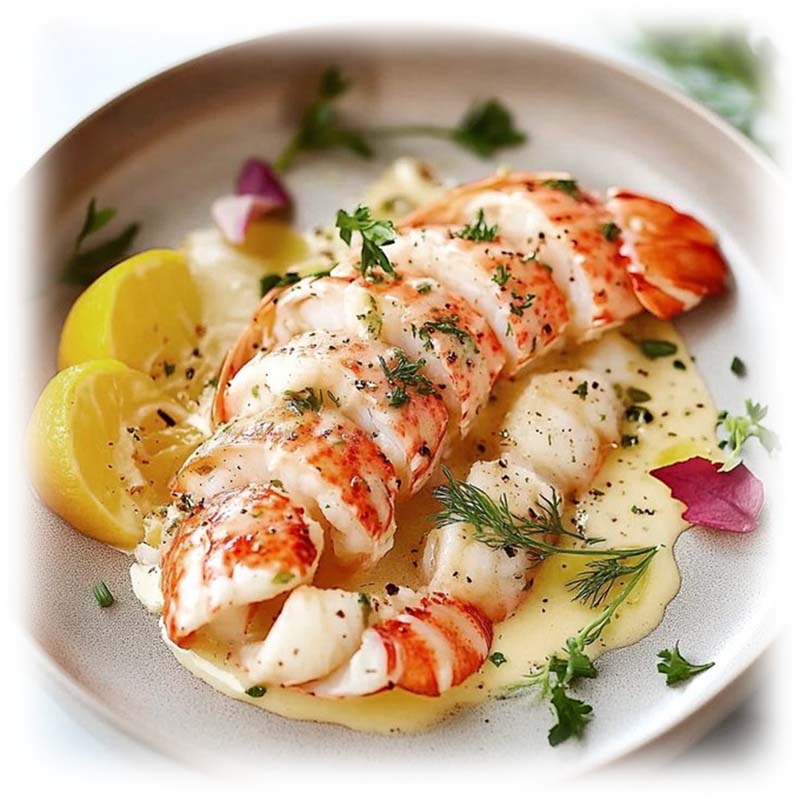
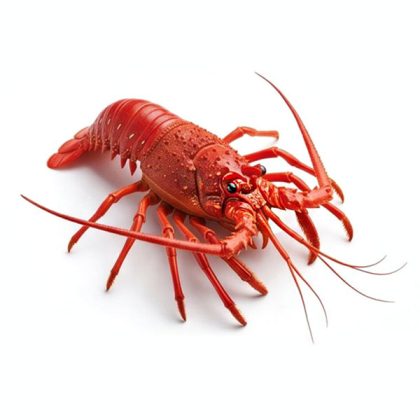
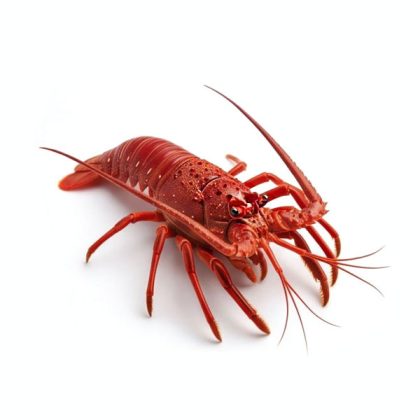
 Also known as Cuban Lobster and for its long antennae and lack of large claws, the Caribbean spiny lobster thrives in tropical waters throughout the Caribbean region. Its meat is firm, slightly sweet, and ideal for grilling, roasting, and buttery seafood recipes. Its tail provides firm, slightly sweet meat with a satisfying texture. In the kitchen, the tail can be steamed, grilled, broiled, baked, or carefully poached. Because lobster meat is naturally rich in protein and provides several important micronutrients, it can be part of a balanced seafood-focused diet when prepared with sensible amounts of added fat and salt.

• European Lobster

(Homarus Gammarus)

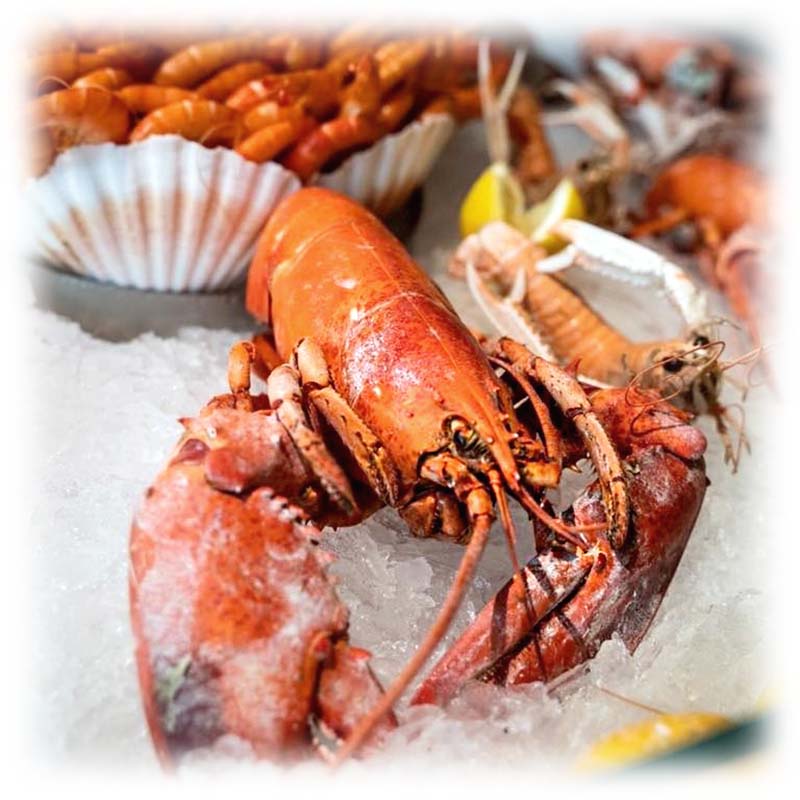
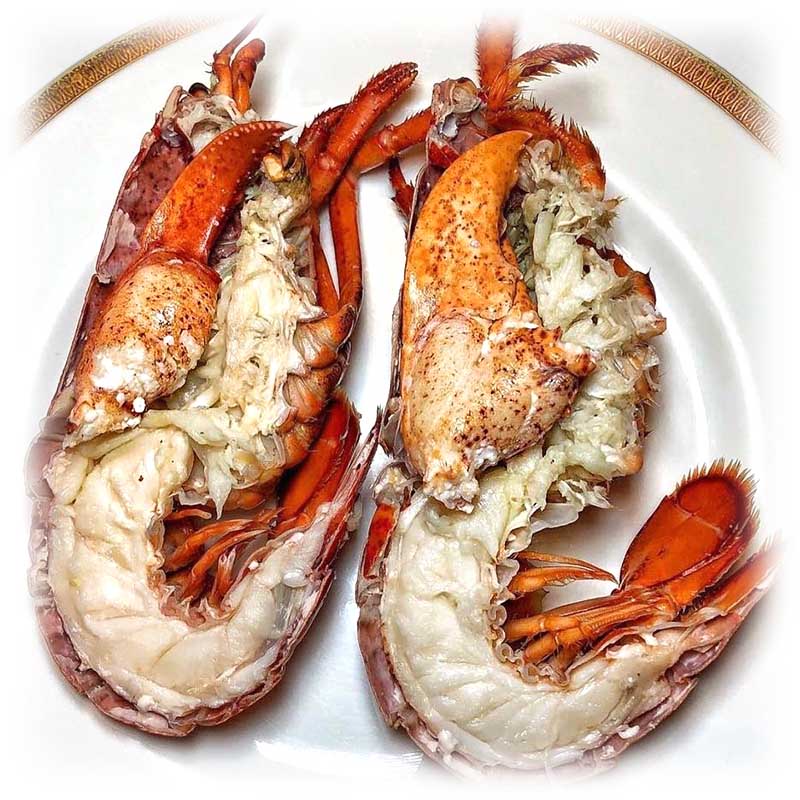
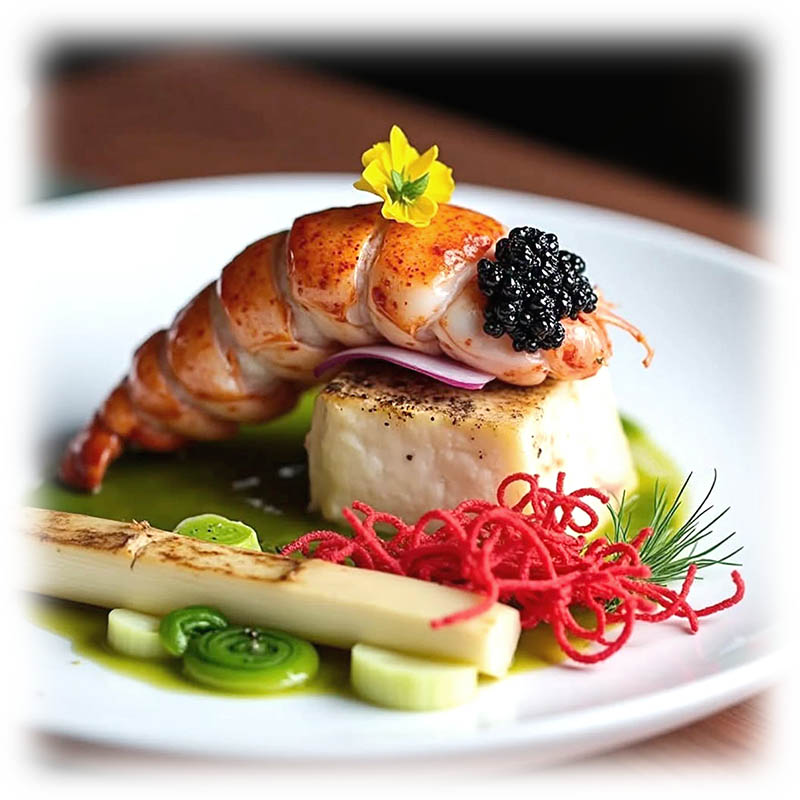
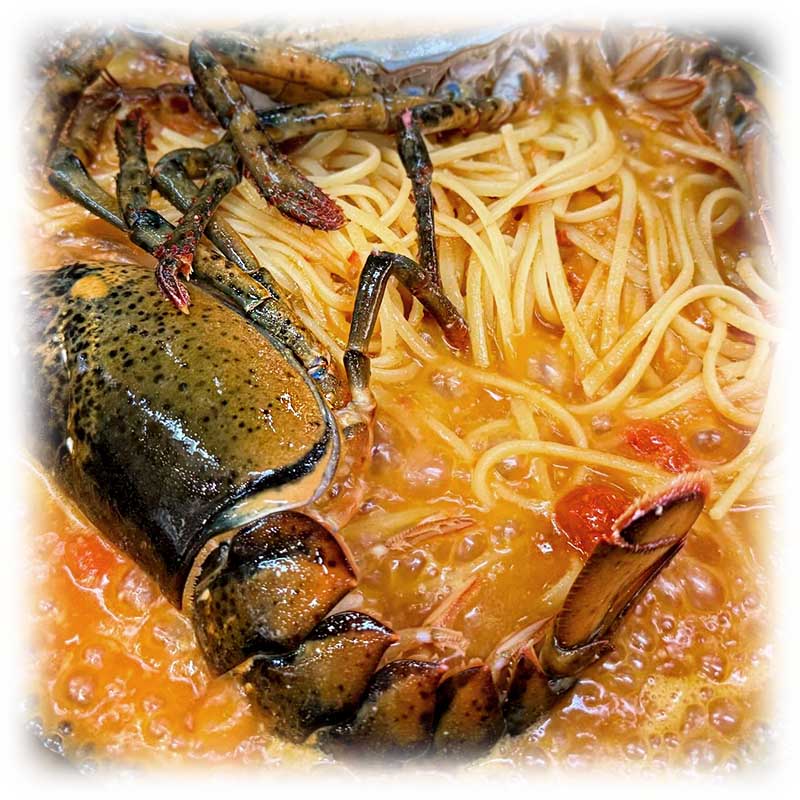
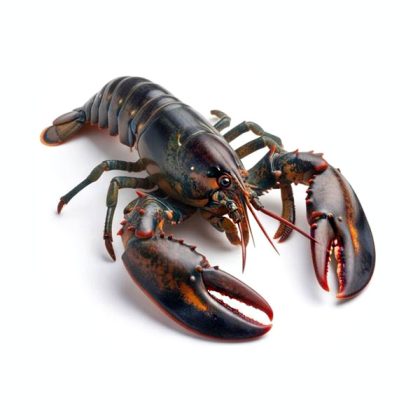
 The European lobster is considered one of the most luxurious lobster species due to its deep flavor, dark shell coloration, and tender meat. Native to the eastern Atlantic Ocean and Mediterranean waters, it closely resembles the American lobster but is often darker in appearance with rich blue-black tones before cooking. It is particularly valued for its firm yet delicate texture and naturally sweet, pronounced shellfish flavor. The claws provide especially tender and succulent meat, while the tail has a firmer bite, making it suitable for grilling, roasting, poaching, steaming, or serving in refined pasta and risotto dishes. European lobster pairs particularly well with butter, citrus, fresh herbs, garlic, saffron, tomato, light cream sauces, and delicate seafood-based reductions.
European_Lobster_Img
American_Lobster_Img

• American Lobster

(Homarus Americanus)

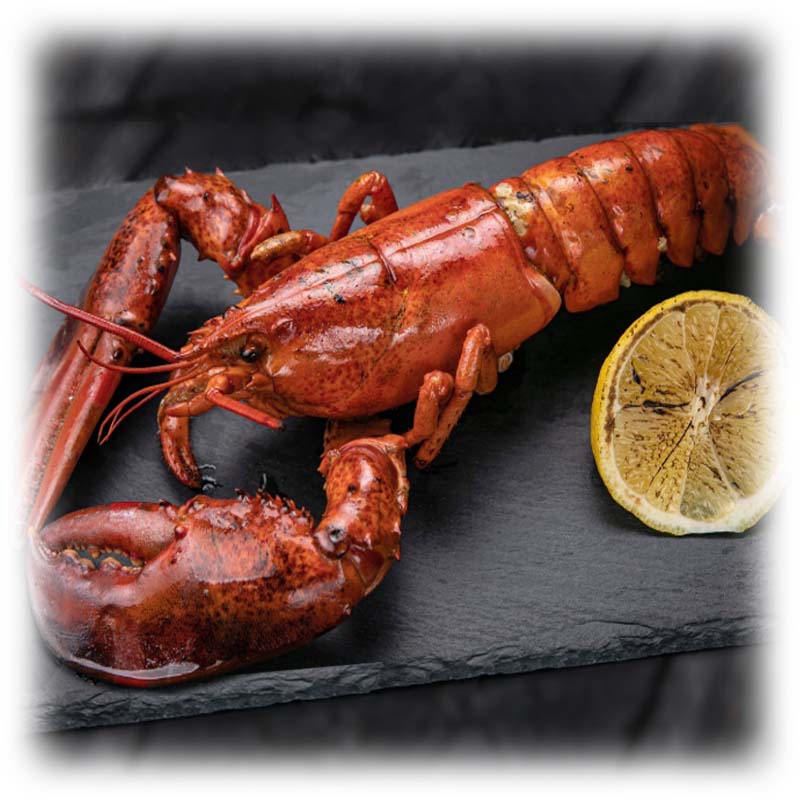
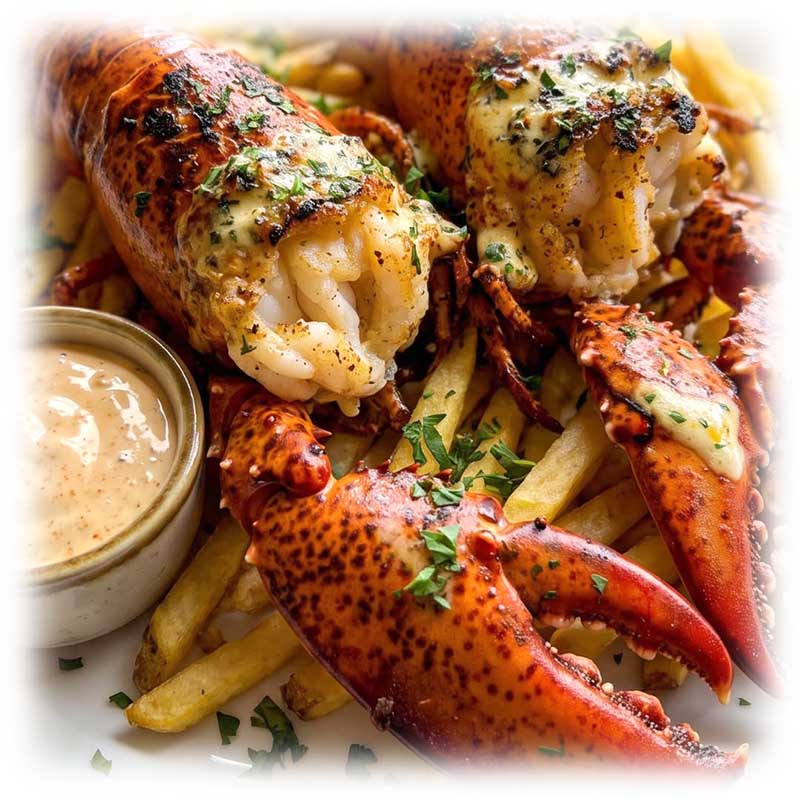
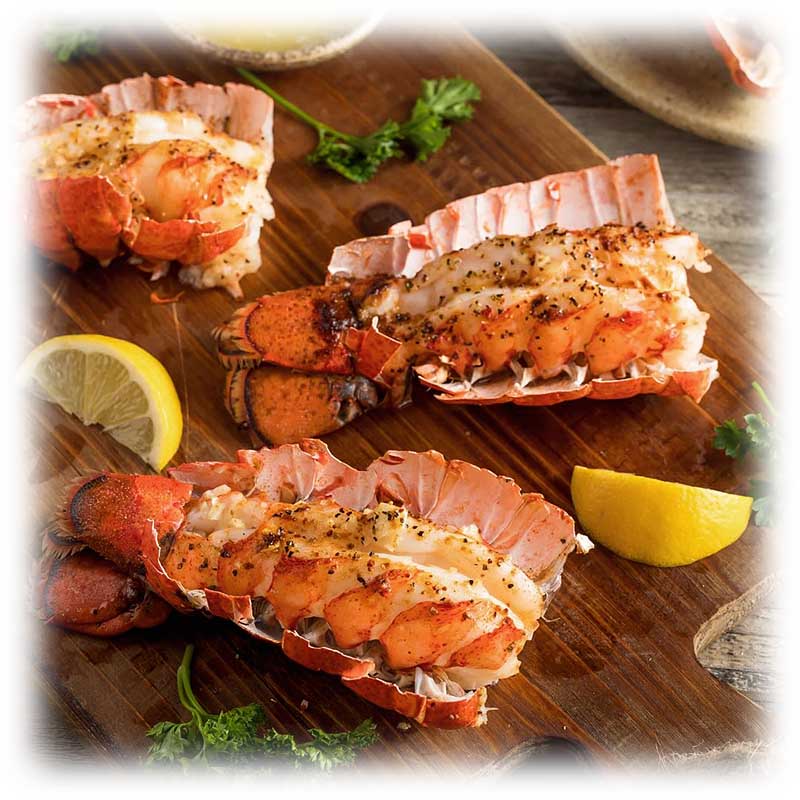
 Also known as Boston Lobster, this lobster is perhaps the most iconic lobster species globally. Recognized by its large crushing claws and robust body, it is harvested mainly from the cold waters of the North Atlantic. Its meat is highly prized for its sweetness, tenderness, and rich flavor, making it a centerpiece in fine dining, seafood boils, and classic lobster dishes. Its large claws make it particularly suitable for dishes where generous pieces of lobster meat are required. American lobster pairs especially well with butter, lemon, garlic, herbs, cream-based sauces, tomato, saffron, and light seafood reductions.

• Norway Lobster / Scampi

(Nephrops Norvegicus)

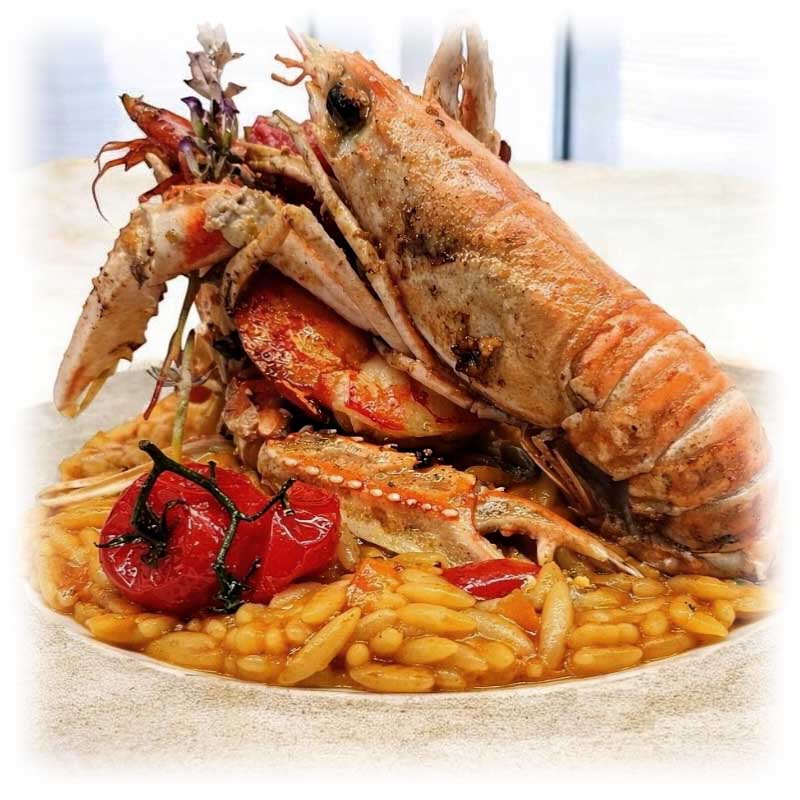
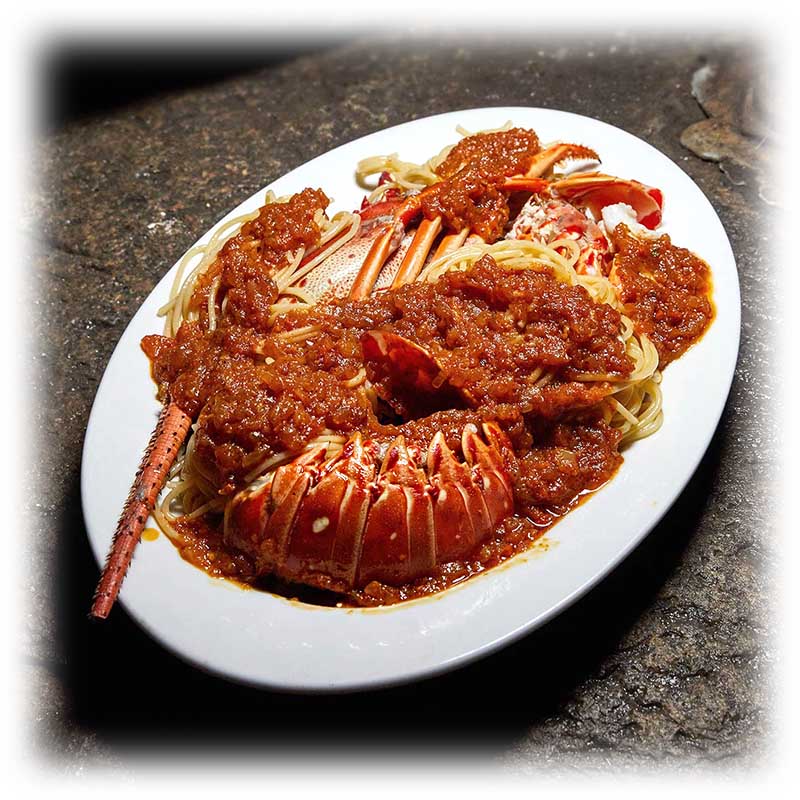
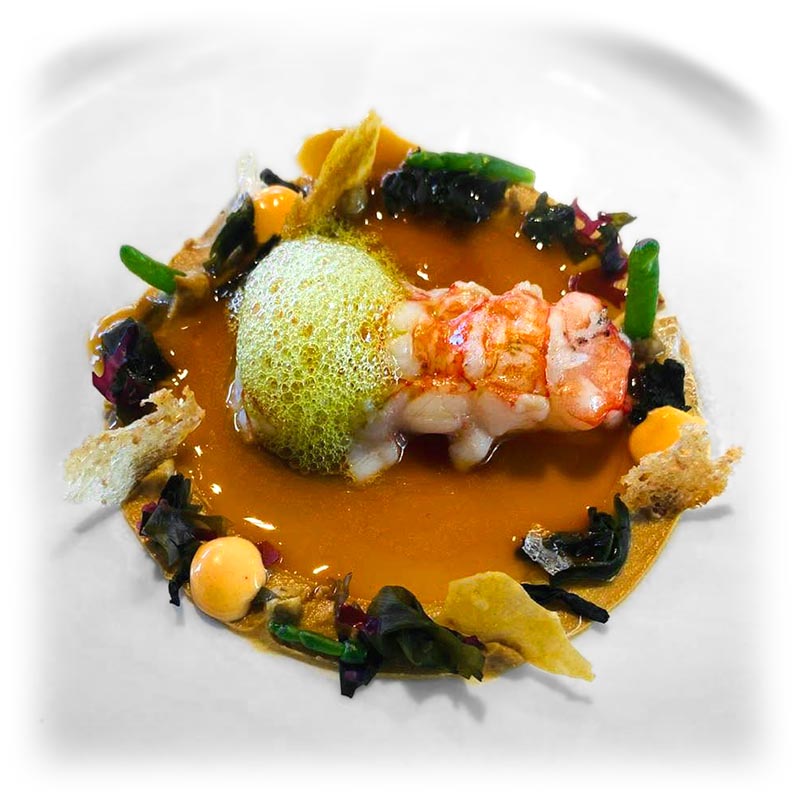
 Also known as langoustine, or scampi in many regions, the Norway lobster has a slender body and smaller claws compared to larger clawed lobsters. Most of the usable meat is found in the tail, while the head and shells are highly aromatic and excellent for preparing bisques, stocks, sauces, and concentrated seafood reductions. It is widely used in premium seafood pastas, bisques, and gourmet presentations. Its subtle flavor pairs particularly well with butter, olive oil, lemon, garlic, fresh herbs, tomato, saffron, white wine, and light shellfish sauces. Overcooking should be avoided, as it can quickly reduce the meat’s tenderness and juiciness.
Norway_Lobster_Img
Painted_Spiny_Lobster_Img

• Painted Spiny Lobster

(Panulirus Versicolor)

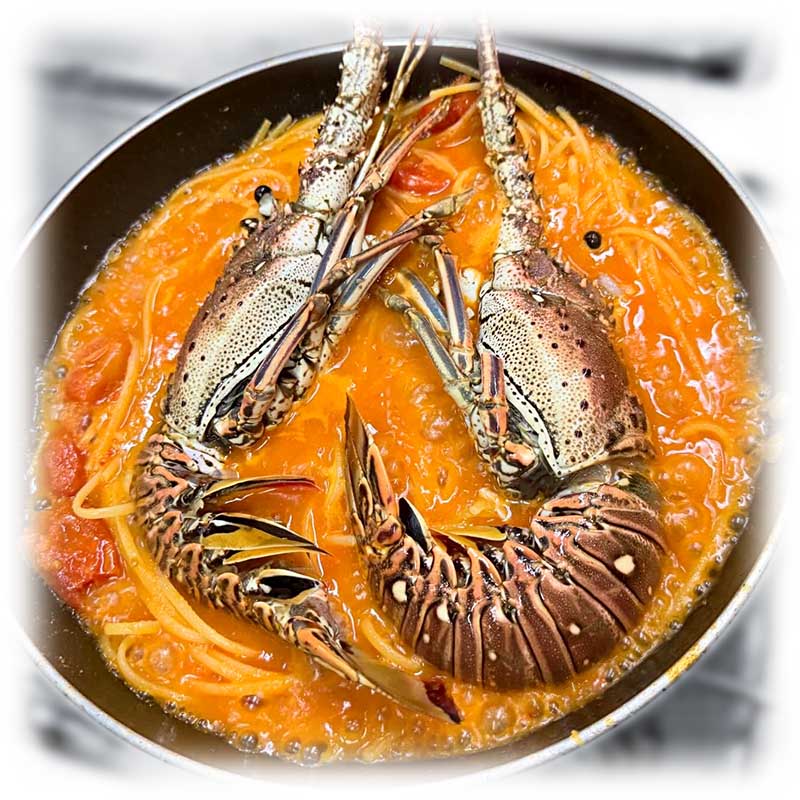
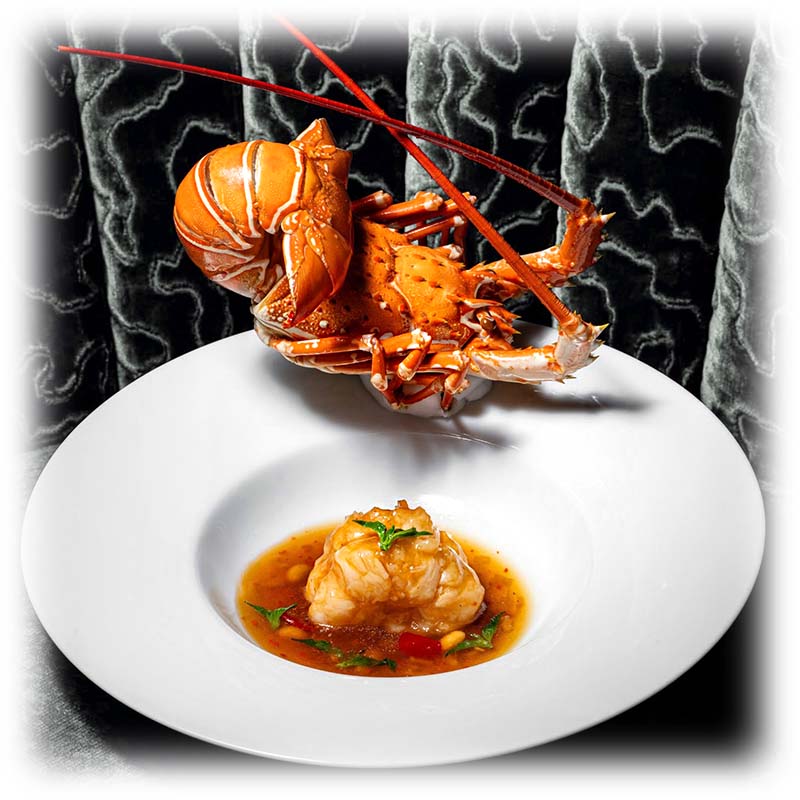
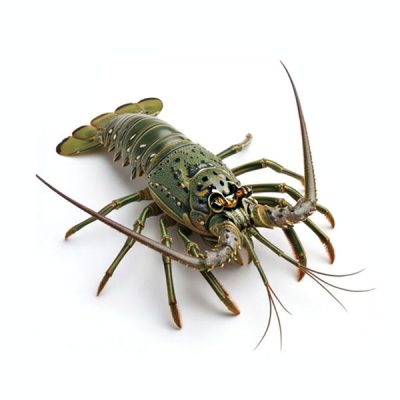
 The painted spiny lobster stands out because of its colorful shell patterns and decorative markings. This tropical species combines visual beauty with flavorful meat and is commonly found in coral reef environments. Its vibrant appearance makes it one of the most visually distinctive lobsters in the ocean. Unlike clawed lobsters, most of the usable meat is concentrated in the tail, making it particularly suitable for portion-controlled dishes, grilling, roasting, poaching, and premium seafood platters. Gentle steaming, poaching, grilling, or quick cooking can help preserve the tenderness of the meat.

• South African Lobster

(Panulirus Gilchristi)

 Native to the coastal waters of South Africa, this lobster species is highly valued for its rich, dense meat texture which is concentrated in the tail and it is appreciated for its firm, dense texture and pronounced shellfish flavor. Its robust texture allows it to stand up well to stronger cooking methods and richer accompaniments, although controlled cooking is still important to prevent the meat from becoming dry or tough. It pairs particularly well with butter, garlic, lemon, chili, herbs, saffron, tomato-based sauces, and rich seafood reductions. It is commonly exported worldwide and often featured in luxury seafood dishes, grilled preparations, and high-end restaurant menus.
South_African_Lobster_Img
Japanese_Spiny_Lobster_Img

• Japanese Spiny Lobster

(Panulirus Japonicus)

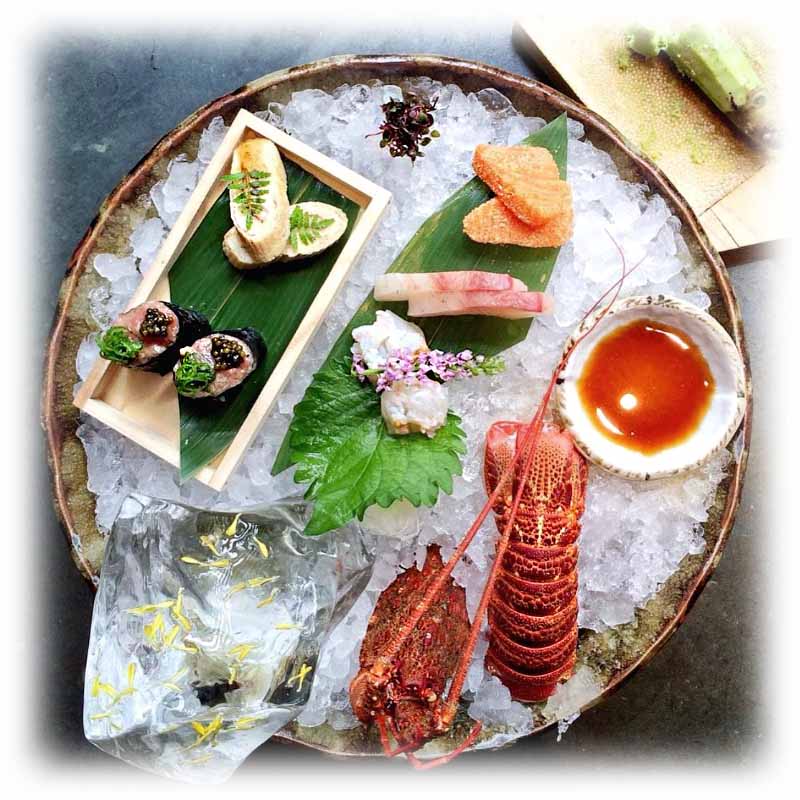
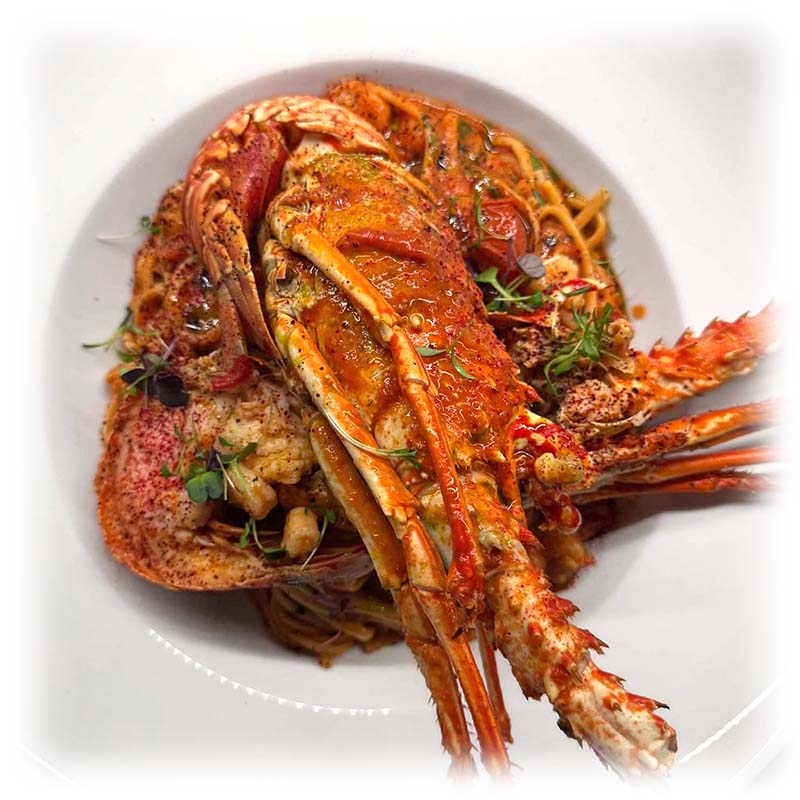
 The Japanese spiny lobster is famous for its dramatic appearance, long spines, and dark shell coloration. In Japanese cuisine, it is considered a premium delicacy associated with celebration and luxury dining. It is frequently served in sashimi presentations, grilled dishes, and traditional seafood feasts. Because of its premium quality, simple preparation is often preferred so the natural flavor and texture remain the focus of the dish. Japanese spiny lobster pairs especially well with citrus, soy-based seasonings, miso, butter, sake, ginger, garlic, fresh herbs, and light dashi- or seafood-based sauces. Its striking shell and long antennae also make it particularly suitable for elegant whole-lobster presentations and high-end plating.

• California Spiny Lobster

(Panulirus Interruptus)

 Found along the Pacific coast, the California spiny lobster lacks large front claws but compensates with a thick, meaty tail prized by seafood lovers. ts dense texture performs especially well on the grill, under the broiler, roasted in the shell, steamed, or gently poached. It pairs particularly well with butter, olive oil, garlic, lemon, chili, fresh herbs, corn, tomato, and light seafood sauces.
California_Spiny_Lobster_Img
Spanish Slipper Lobster_Img

• Spanish Slipper Lobster

(Scyllarides Aequinoctialis)

 The Spanish slipper lobster is another member of the slipper lobster group and is recognized by its broad body and textured shell. Its meat can provide a dense, naturally sweet seafood flavor that works well in steamed, grilled, baked, or other carefully controlled preparations. For chefs, understanding the structure of the tail is particularly useful because cutting and cooking techniques can influence both presentation and tenderness.

• More Lobster Species...

 In addition to the 10 species of lobster mentioned above, there are at least seven more species which we shall briefly mention, namely: the Southern Rock Lobster, the Ornate Tropical Rock Lobster, the Banded Hawaiian Spiny Lobster, the Variegated Lobster, the Philippine Lobster, the South Australian Spiny Lobster and the Western Australian Rock Lobster.

Basic Facts


• Greek lobsters lack claws, which is the main difference distinguishing them from Atlantic or American lobsters. In the wider Mediterranean, the genuine native lobster belongs to the species "Palinurus Elephas", which, instead of claws, has two very large and powerful antennae on its head. In contrast, the lobster with the familiar large claws, which is imported in large quantities into the Greek market and catering sector, is either the American or the European lobster (Homarus).

• The fishing and trading of live, egg-bearing lobsters (females carrying eggs) is strictly prohibited. If caught, they must be immediately released back into the sea. Fishing and selling them alive is also strictly forbidden in Greece, from September 1st to December 31st each year.

• Until relatively recently, the exact lifespan of lobsters was unknown, with some estimates suggesting they could live for over 100 years. However, scientists have now discovered a method to determine a lobster's age by counting rings in its flesh, a process similar to determining the age of trees. Scientists examine internal structures under the microscope, specifically the eyestalks and the gastric mill (part of the stomach). A growth ring forms in these areas annually, in exactly the same way age is determined in trees, or fish tissues. On average, it is estimated that a lobster takes about 5 to 7 years to reach half a kilogram (marketable size). Its growth rate is significantly influenced by water temperature and food availability, as a lobster in warm waters grows much faster than one in the freezing depths.

• From a culinary perspective, identifying the species before cooking can help a chef understand what to expect from the shell, tail structure, meat texture, and presentation. Accurate identification is also important because common seafood names can vary between regions. Scientific names provide a more reliable way to distinguish species when purchasing seafood or studying culinary ingredients.

• When selecting lobster, look for a clean, fresh seafood aroma and firm, intact flesh. Proper refrigeration and hygienic handling are essential for seafood quality and food safety. Raw seafood should be kept appropriately chilled, prepared on clean surfaces, and cooked using safe food-handling practices. Any lobster showing unusual odor, deterioration, or questionable storage history should not be used.

• Lobster meat contains delicate muscle proteins that change texture as heat increases. Overcooking can cause the meat to become tough, rubbery, or dry, while controlled cooking can help preserve its natural moisture and tenderness. Chefs should also consider the size of the tail, starting temperature, cooking method, and carryover heat when determining the final cooking time.

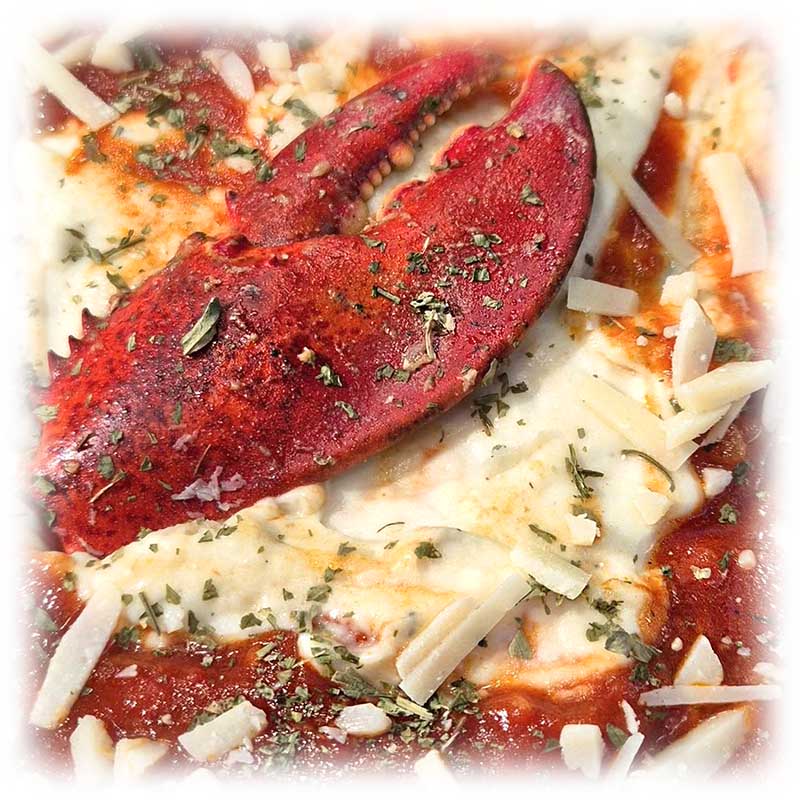
• Flavor pairing is another important part of lobster cookery. The natural sweetness of lobster works particularly well with ingredients that provide acidity, freshness, gentle herbs, aromatic vegetables, and moderate richness. Citrus, herbs, garlic, fresh vegetables, light sauces, and carefully balanced seasonings can complement lobster without overpowering its natural character.

These were some of the most important tips we give to all our customers which we wanted to share them with you too. Below you can find the type of lobster you’re interested in, and if you have any further questions, or even a special order for any lobster, please don’t hesitate to get in touch so that we can assist you further!
Supplier of fresh and frozen seafood and sushi ingredients for restaurants, hotels & Horeca businesses. With over 30 years of experience, nationwide distribution, and a selection of more than 1.500 professional-grade products, we’re here to support every food service professional. With more than 370 corporate brand labels from around the world and daily updates to our website, we offer the highest-quality products that will enhance your menu and provide immediate solutions to the needs of every professional chef! Contact one of our sales representatives, request a sample and a price list, and become one of our many satisfied partners!
We use cookies to improve your experience on our website. By browsing this website, you agree to our use of cookies.
Start typing to see products you are looking for.